
03Build Intelligent Products
Intelligence built into the product itself.
We design and engineer products where AI is part of the architecture — assistants, search, recommendations, and predictions that feel native to the experience instead of bolted on.
- 8
- capabilities
- 4
- delivery stages
- 4
- industries served
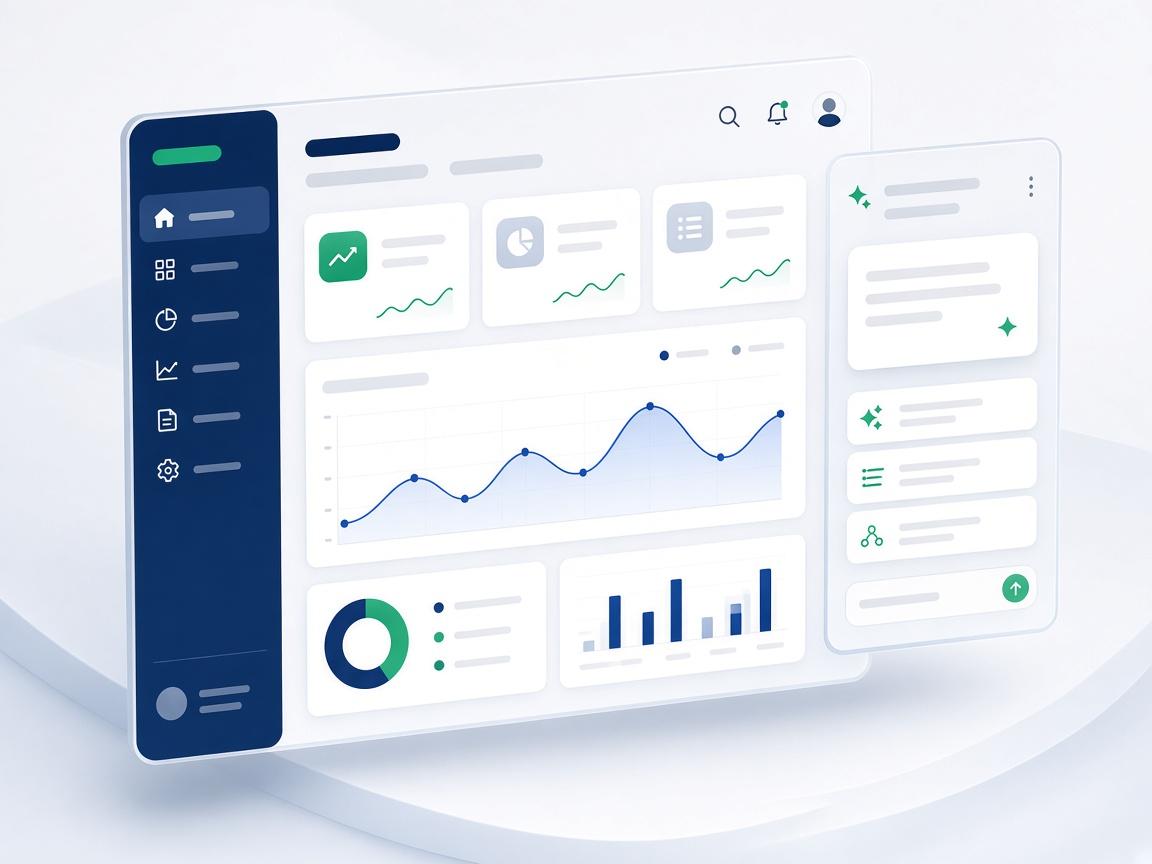
How it works
Understand. Assist. Adapt.
- 01
Understand
Models that read user intent and context — from free text to behavior — so the product responds to what people actually need.
- 02
Assist
Copilots, generation, and search that help users finish tasks faster, inside the workflow they already use.
- 03
Adapt
Recommendations and predictions that improve with usage, with evaluation and guardrails keeping behavior in check.
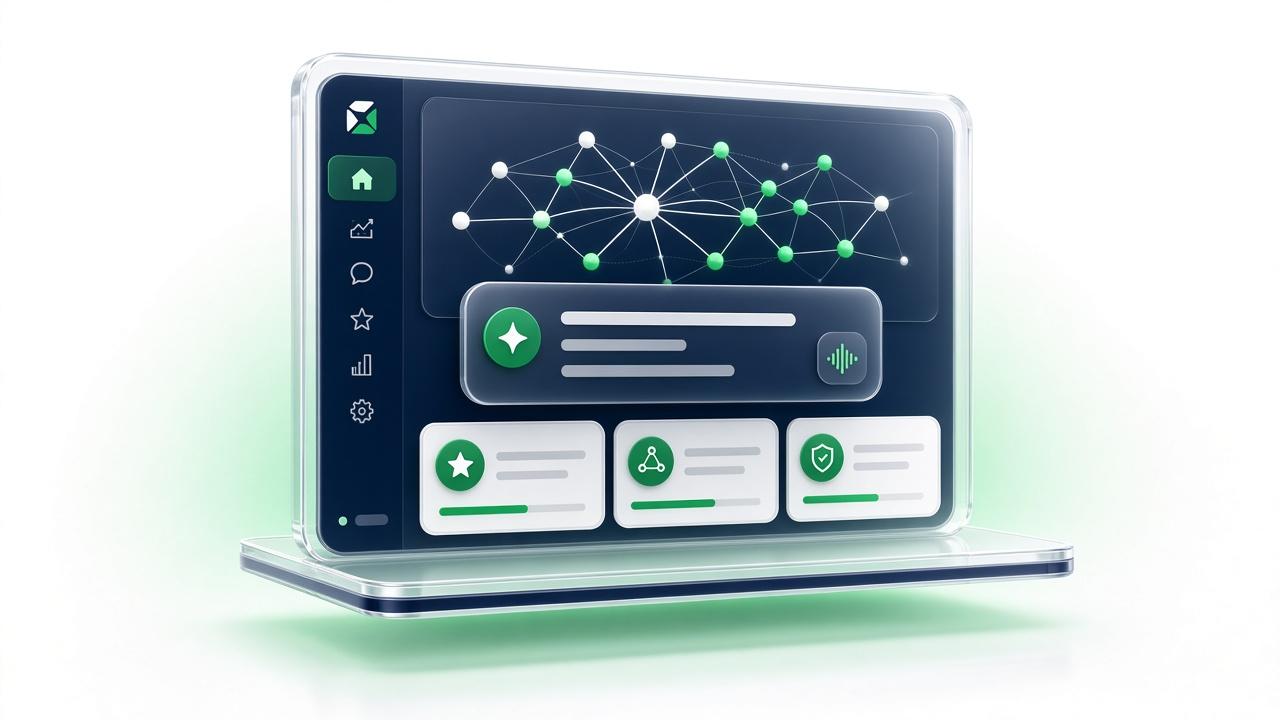
The challenge
What modern products need to do
Traditional software can perform predefined tasks.
- 01
Understand users
Interpret intent and context instead of waiting for exact clicks and inputs.
- 02
Generate and recommend
Draft content, suggest next steps, and rank options for each user.
- 03
Search and predict
Find knowledge instantly and forecast what is likely to happen next.
- 04
Act on the user's behalf
Automate multi-step tasks safely, with permissions and confirmation.
What we build
Build Intelligent Products, in practice
Eight product capabilities, engineered with the application, data, and UX as one system.
AI-powered SaaS products
Full products designed around intelligence — from data model to multi-tenant delivery.
- Multi-tenant
- Data model
- Delivery
LLM features
Production LLM capabilities with structured outputs, tool use, and cost control.
- Structured output
- Tool use
- Cost control
AI assistants
Conversational helpers scoped to your product's data and actions.
- Scoped data
- Actions
- Memory
Recommendation systems
Ranking and personalization that surface the right content, product, or next step.
- Ranking
- Personalization
- Next step
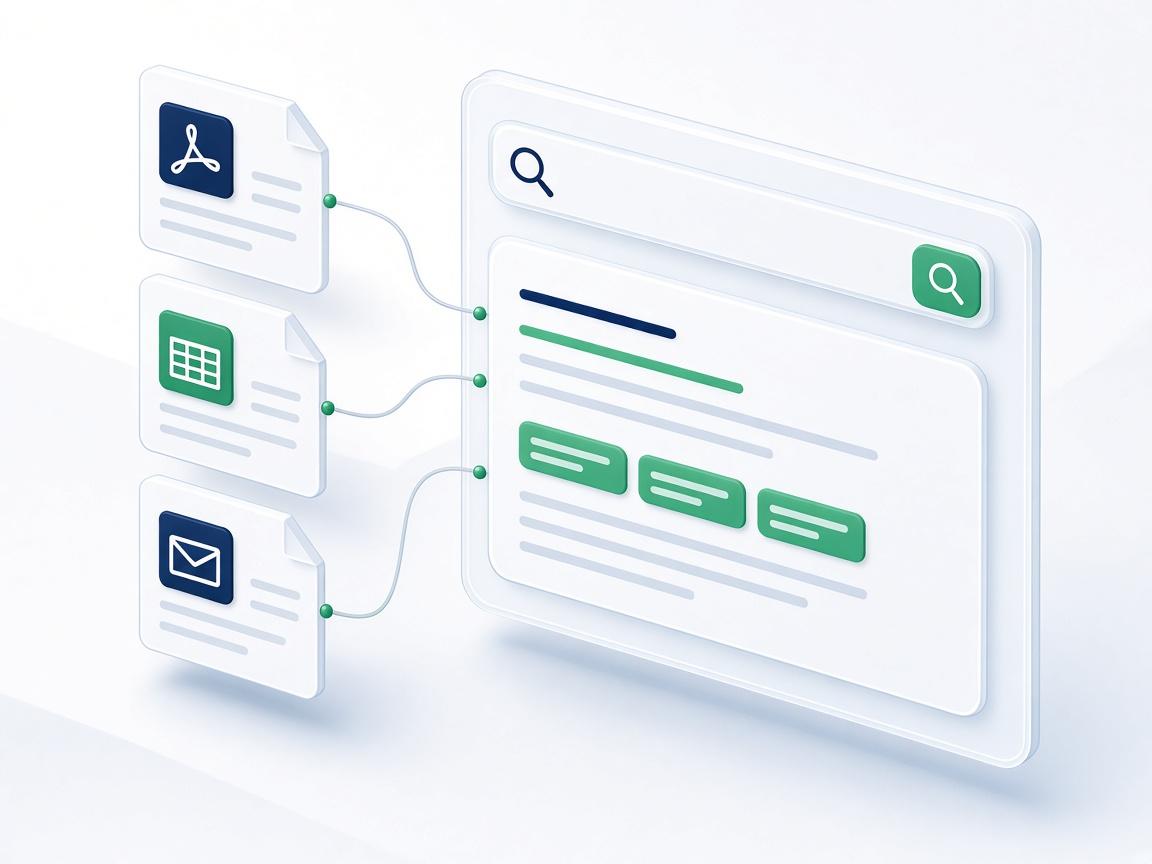
Intelligent search
Semantic, filtered, and conversational search across product and user data.
- Semantic
- Filters
- Conversational
AI copilots
In-context help that drafts, explains, and completes work alongside the user.
- Draft
- Explain
- Complete
AI agents inside products
Permission-aware agents that take actions on a user's behalf, with approval where needed.
- Permissions
- Approvals
- Tools
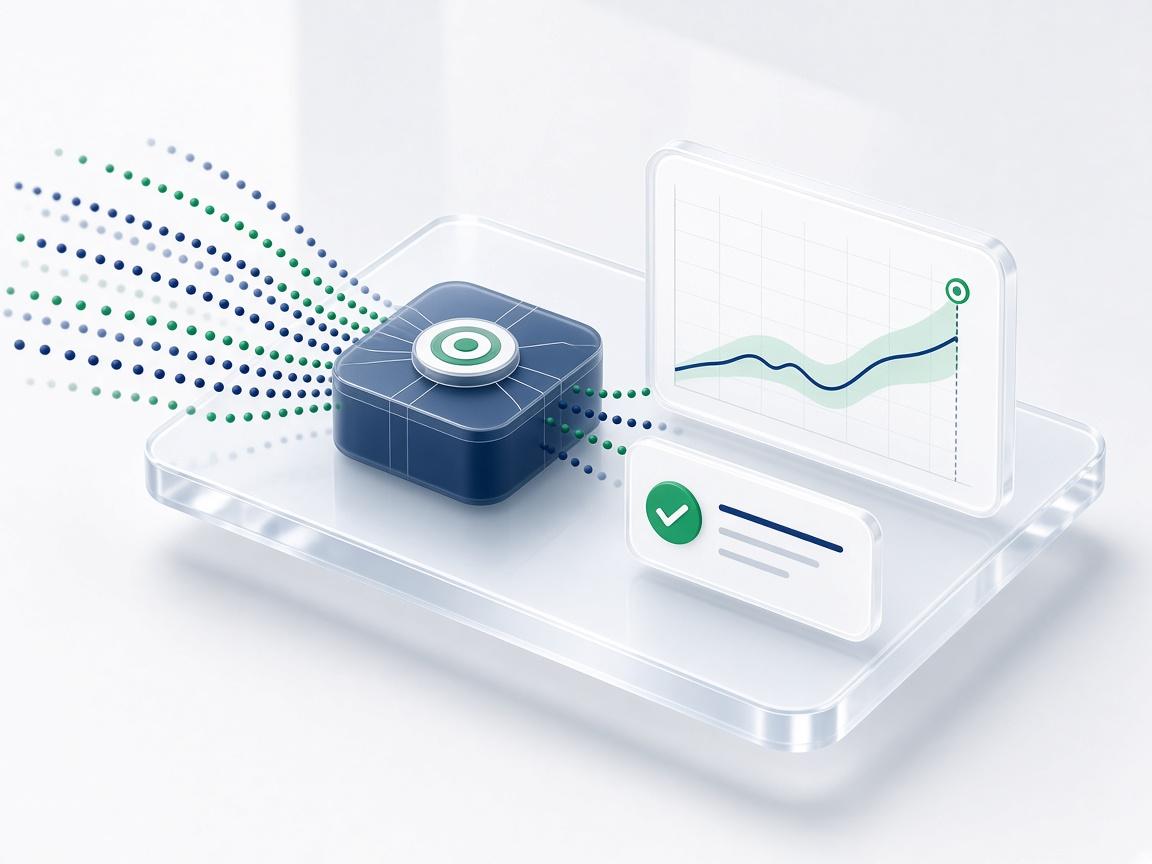
Predictive features
Forecasts, scores, and alerts delivered inside the tools where decisions are made.
- Scores
- Forecasts
- Alerts
Engineering approach
Product, data, and intelligence designed together
When AI is added at the end, it shows. We shape the data, the models, and the interface in the same sprint, so intelligence is part of how the product works.
- Fallbacks, rate limits, and degraded modes when models fail
- Versioned prompts and models with feature flags for safe rollout
- Cost and latency observability per feature and per tenant
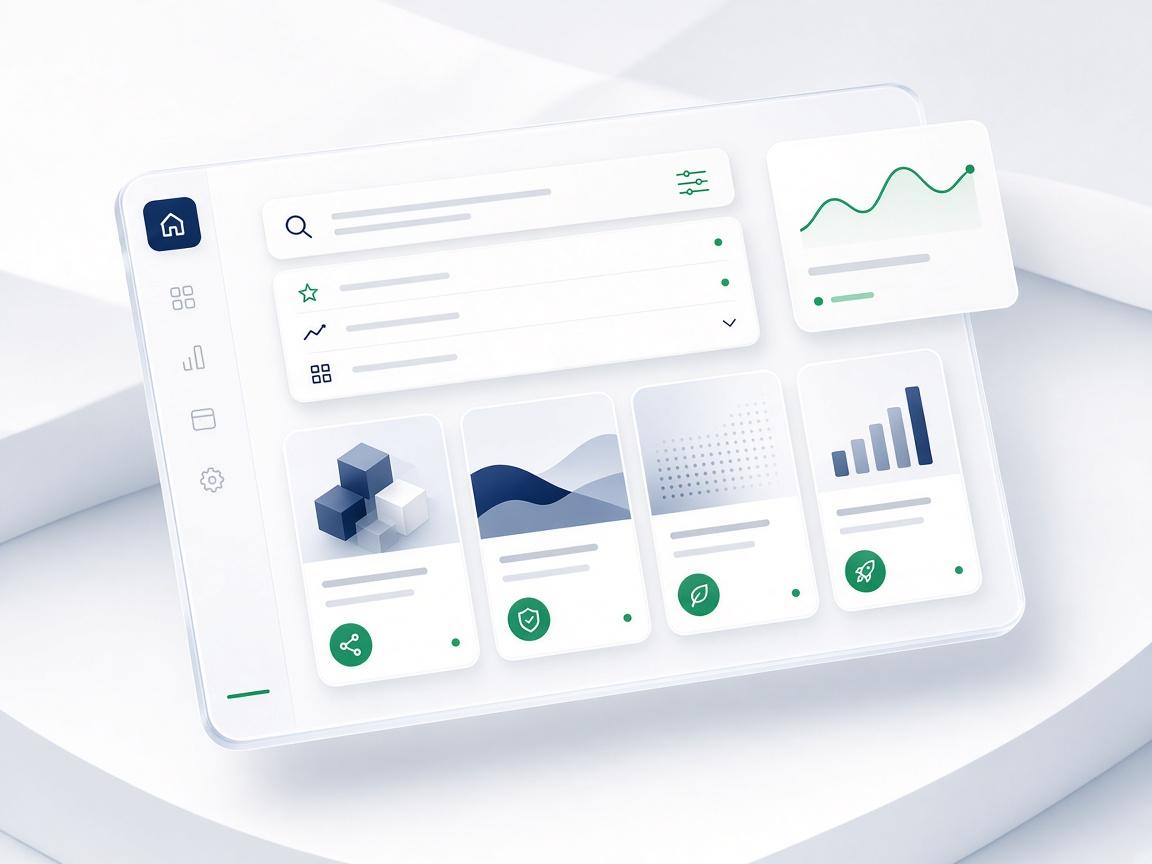
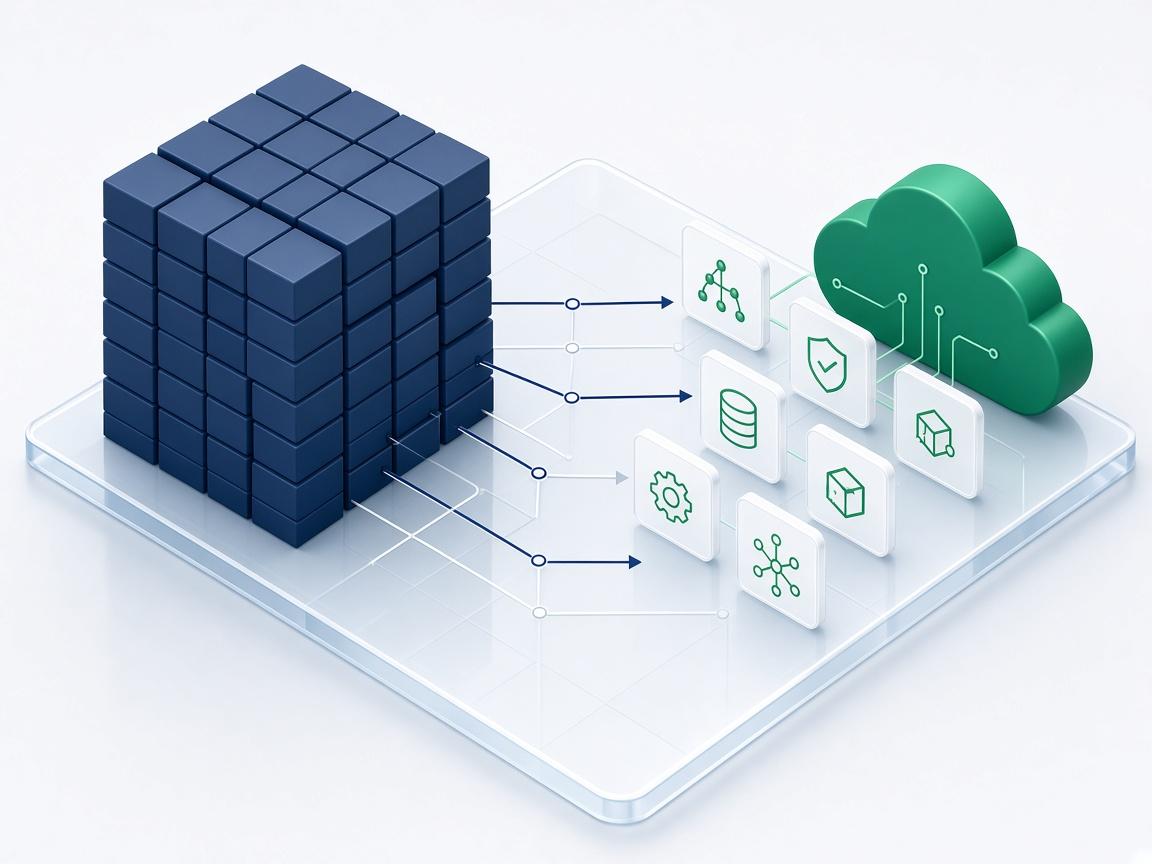
System flow
How the system works
AI becomes part of the product architecture rather than simply an external API.
- Product
- Data
- Intelligence
- Application
- User Experience
The outcome
Products that don't just execute tasks — they understand, assist, and adapt.
What changes for the teams that rely on it.
Static features that follow fixed rules
Products that understand and adapt
AI as a separate widget
Intelligence woven into core workflows
Unpredictable model cost and behavior
Measured, versioned, and observable AI
Under the hood
AI / ML capabilities
We choose rules, classical ML, deep learning, LLMs, RAG, or agents based on the problem, data, and reliability needs—not hype. Software, data, and ML engineers on one team.
- 01
LLM features with structured outputs and schema validation
- 02
In-product copilots, agents, and permission-aware tools
- 03
Ranking, recommendations, and ML where it beats generic prompts
- 04
Intelligent search across product and user data
Production & reliability
- 01
Data → intelligence services → application UX → APIs → deploy → observe
- 02
Fallbacks, rate limits, and degraded modes when models fail
- 03
Cost and latency observability per feature and tenant
- 04
Versioned prompts/models; feature flags for safe rollout
How we deliver
A clear path from first call to production
- 01
Shape the product
Define the user problem, where intelligence helps, and how it will be judged.
- 02
Prototype with data
Test the intelligence on real data and real tasks before committing to the build.
- 03
Engineer for production
Build the application, services, and evaluation together, with guardrails from day one.
- 04
Ship & iterate
Release behind flags, watch quality and cost, and improve from live usage.
Technology
Tools and platforms we work with
We choose the simplest technology that fits the problem — and work in your stack where you have one.
TypeScript
React
Next.js
Node.js
Python
FastAPI
PostgreSQL
OpenAI
Anthropic
AWS
Engagement outcome
What you receive
- Production-ready product features, with source code and documentation
- Evaluation suite covering model and prompt behavior
- Observability for quality, latency, and cost per feature
- Rollout plan with feature flags and fallbacks
- Architecture notes your team can extend
Where it applies
Industries and capabilities




- Software EngineeringCustom web, mobile, API, and enterprise software engineering — reliable foundations for modern businesses.
- AI & IntelligenceGenerative AI, LLM applications, RAG, machine learning, and document intelligence engineered for production.
- Products & InfrastructureSaaS product development, cloud architecture, DevOps, monitoring, and security engineering for production systems.
FAQ
Questions we hear most
Straight answers about how we work on this kind of project.
Do you build the whole product or just the AI parts?
Either. We can own the full product, or join your team to design and ship the intelligent features within your existing codebase and stack.
How do you keep AI costs under control?
We measure cost and latency per feature, use the smallest model that meets the quality bar, and add caching, batching, and routing where they help.
What happens when the model gets it wrong?
Features ship with validation, fallbacks, and human review where stakes require it — and quality is monitored so regressions are caught early.
Can we start with a small feature?
Yes. Many engagements begin with one well-scoped feature, proven on real users, and grow from there.
Keep exploring
More solutions
Ready to start with Build Intelligent Products?
Tell us about the problem. We'll come back with an honest view of the right approach, and what a first increment looks like.