
05Data → Decisions
From raw data to decisions you can act on.
We build the pipelines, models, and decision tools that turn operational data into forecasts, alerts, and recommendations — delivered inside the workflows where decisions are made.
- 8
- capabilities
- 4
- delivery stages
- 4
- industries served
How it works
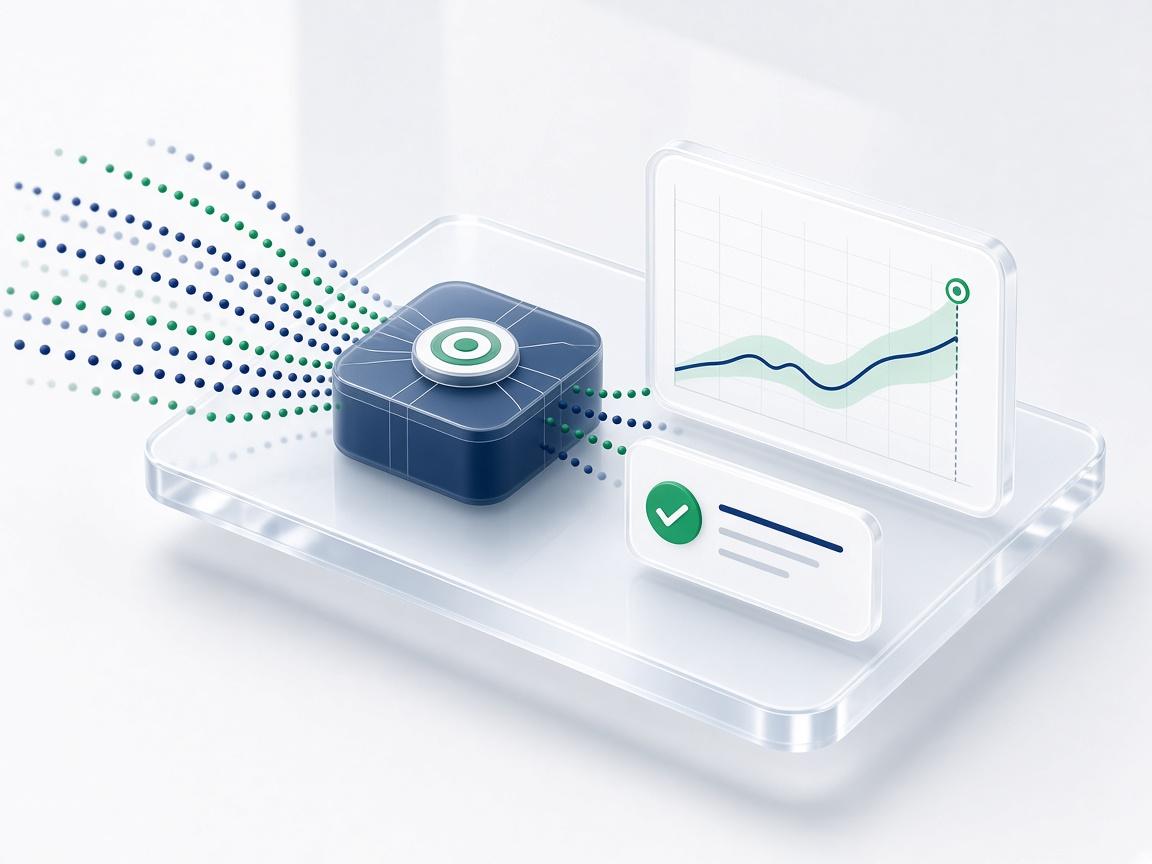
Predict. Explain. Decide.
- 01
Predict
Forecasts, scores, and classifications trained and backtested on your data — not generic benchmarks.
- 02
Explain
Outputs come with the reasons and thresholds stakeholders need to trust and challenge them.
- 03
Decide
Predictions land in the tools your team already uses, triggering alerts, workflows, or recommended actions.
The challenge
Why data rarely becomes decisions
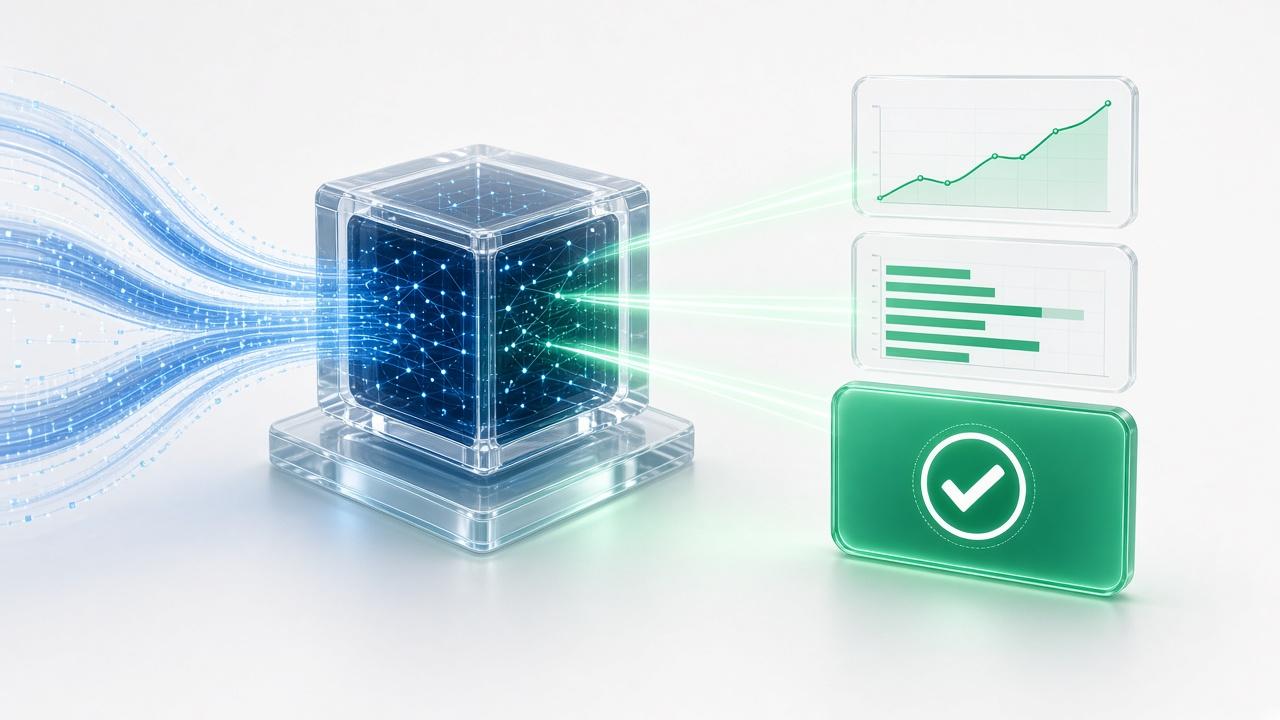
Businesses often have large amounts of data but struggle to turn it into useful decisions.
- 01
Data without direction
Large volumes of data, but no clear link to the decisions that matter.
- 02
Reports about the past
Dashboards explain what happened, not what is likely to happen next.
- 03
Models that stall
Prototypes that never reach production because deployment and monitoring were an afterthought.
- 04
Signals buried in noise
Anomalies and early warnings missed until they become incidents.
What we build
Data → Decisions, in practice
Eight decision capabilities, from model to the workflow where it is used.
Machine learning systems
End-to-end ML — features, training, evaluation, deployment, and monitoring.
- Train
- Evaluate
- Deploy
Predictive analytics
Models that estimate likelihoods and outcomes to guide planning and prioritization.
- Likelihoods
- Planning
- Prioritize
Forecasting systems
Demand, volume, and capacity forecasts with backtesting and uncertainty ranges.
- Demand
- Backtesting
- Ranges
Classification models
Automatic categorization and risk scoring for documents, cases, and events.
- Categorize
- Risk scores
- Events
Recommendation systems
Next-best-action and ranking models tuned to your business objective.
- Next-best-action
- Ranking
- Objective
Anomaly detection
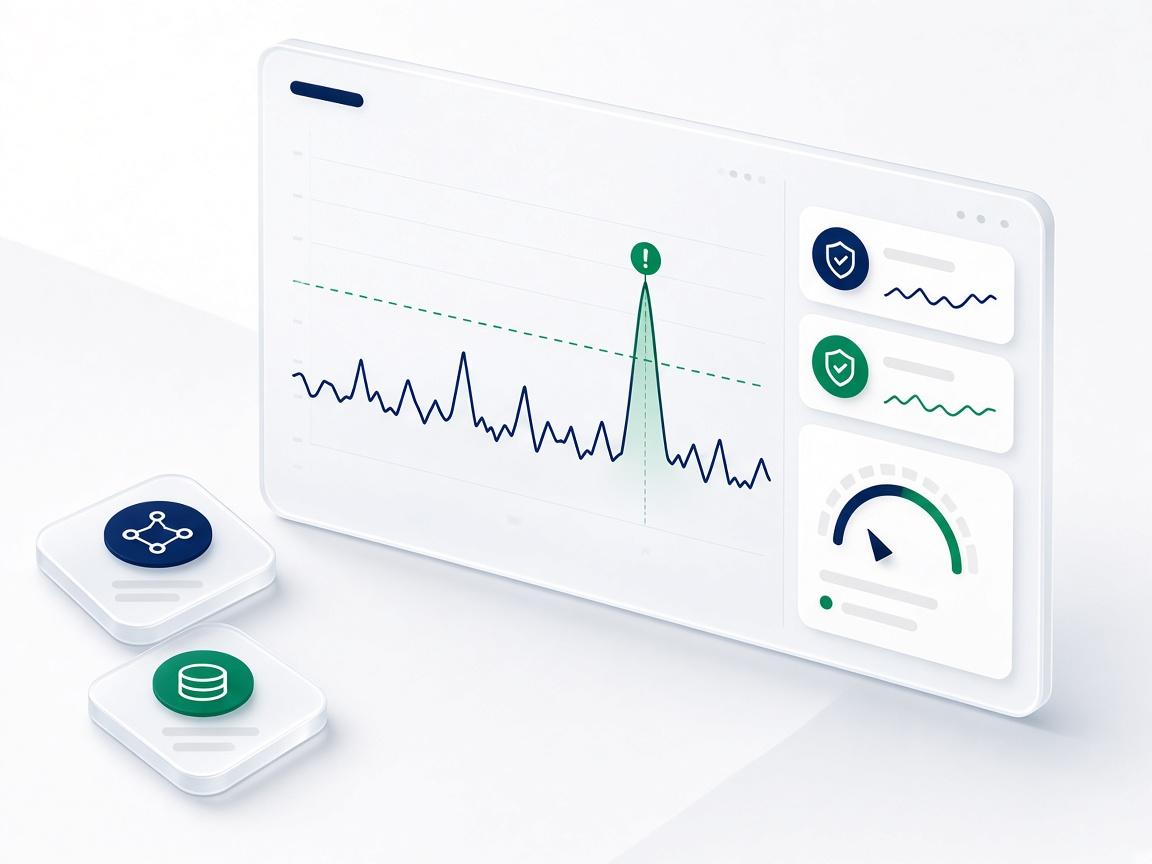
Early warning for fraud, quality, and operational issues, with tunable thresholds.
- Thresholds
- Alerts
- Early warning
Business intelligence applications
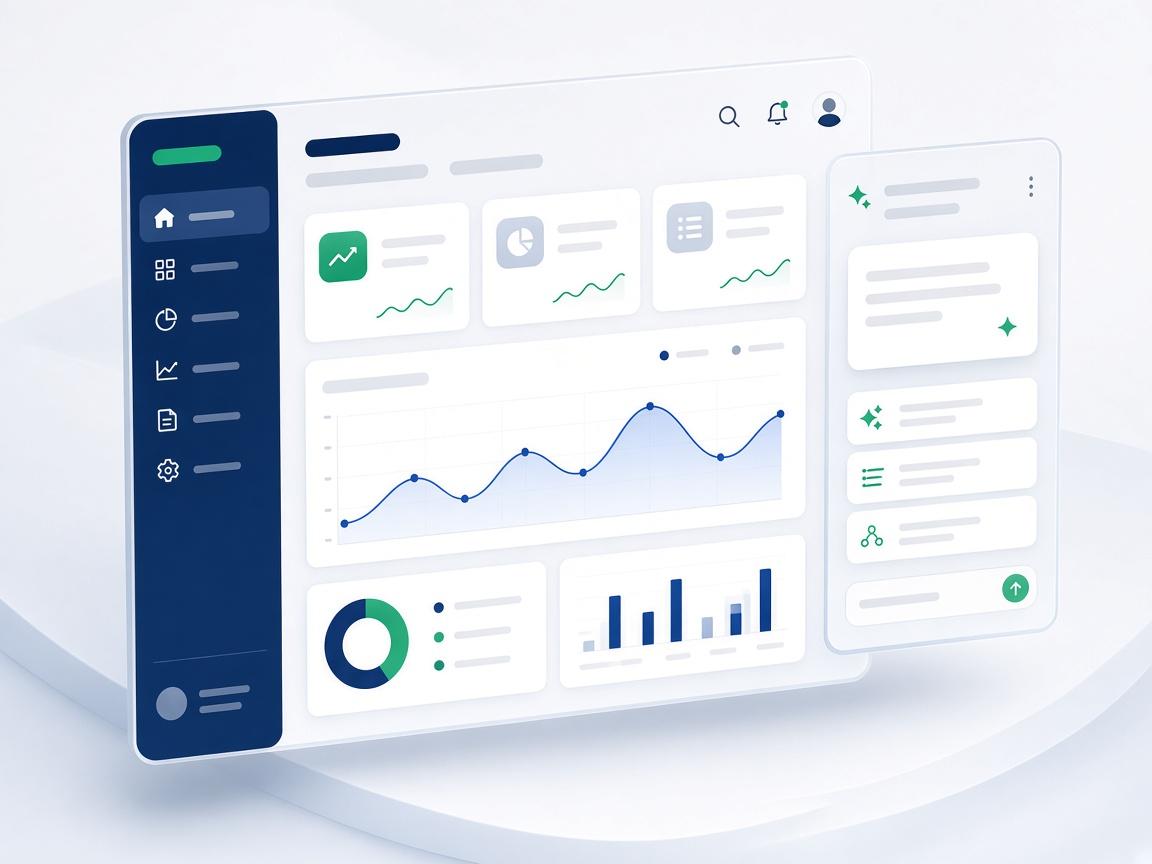
Purpose-built interfaces that put insight and drill-down in front of decision makers.
- Dashboards
- Drill-down
- KPIs
Decision-support systems
Tools that combine models, rules, and human review into a consistent decision process.
- Models
- Rules
- Review
Production ML
Models that stay accurate after launch
A model is only useful while it's right. We ship ML with the monitoring, drift detection, and retraining paths that keep it dependable as your data changes.
- Reproducible pipelines and feature definitions
- Drift detection, retraining triggers, deployment, and rollback
- Alerts and dashboards connected to downstream automation
System flow
How the system works
- Raw Data
- Processing
- ML / Analytics
- Prediction
- Insight
- Decision
The outcome
Move from reporting what happened to understanding what could happen next.
What changes for the teams that rely on it.
Reporting what happened
Understanding what could happen next
Gut-feel prioritization
Scored, explainable recommendations
Problems found after the fact
Anomalies flagged as they emerge
Under the hood
AI / ML capabilities
We choose rules, classical ML, deep learning, LLMs, RAG, or agents based on the problem, data, and reliability needs—not hype. Software, data, and ML engineers on one team.
- 01
Classification, regression, ranking, and forecasting with backtesting
- 02
Anomaly detection for operations, fraud, and quality signals
- 03
Feature pipelines and reproducible training
- 04
Explainability and thresholds stakeholders can trust
Evaluation, MLOps & production
- 01
Data quality, feature engineering, model selection, and evaluation
- 02
Batch and online inference matched to decision latency
- 03
Drift detection, retraining triggers, deployment, and rollback
- 04
Dashboards, alerts, and downstream automation integration
How we deliver
A clear path from first call to production
- 01
Define the decision
Pin down the decision, who makes it, and how a better one would be measured.
- 02
Prepare the data
Assess quality, build features, and set up reproducible pipelines.
- 03
Model & evaluate
Select and validate models with backtesting against agreed success criteria.
- 04
Deploy & monitor
Integrate into the workflow, then monitor performance and drift in production.
Technology
Tools and platforms we work with
We choose the simplest technology that fits the problem — and work in your stack where you have one.
Python
PyTorch
TensorFlow
Hugging Face
PostgreSQL
FastAPI
AWS
Google Cloud
Docker
React
Engagement outcome
What you receive
- Deployed models or decision tools integrated into your workflow
- Reproducible data and training pipelines
- Evaluation report with backtesting and agreed thresholds
- Monitoring for performance and drift
- Documentation covering data, features, and model behavior
Where it applies
Industries and capabilities




- AI & IntelligenceGenerative AI, LLM applications, RAG, machine learning, and document intelligence engineered for production.
- Products & InfrastructureSaaS product development, cloud architecture, DevOps, monitoring, and security engineering for production systems.
- Software EngineeringCustom web, mobile, API, and enterprise software engineering — reliable foundations for modern businesses.
FAQ
Questions we hear most
Straight answers about how we work on this kind of project.
Do we need a lot of data to start?
Not always. We assess what you have, tell you honestly what is feasible, and sometimes begin with simpler analytics or rules before ML.
How do you make models explainable?
We choose model types and tooling that surface the drivers behind a prediction, and set thresholds and review steps together with the people who rely on them.
How do predictions reach our team?
Inside the tools they already use — dashboards, alerts, or automated workflows — so insight leads directly to action.
What happens when the data changes?
Monitoring detects drift and degraded accuracy, and retraining paths let the model be updated safely and rolled back if needed.
Keep exploring
More solutions
Ready to start with Data → Decisions?
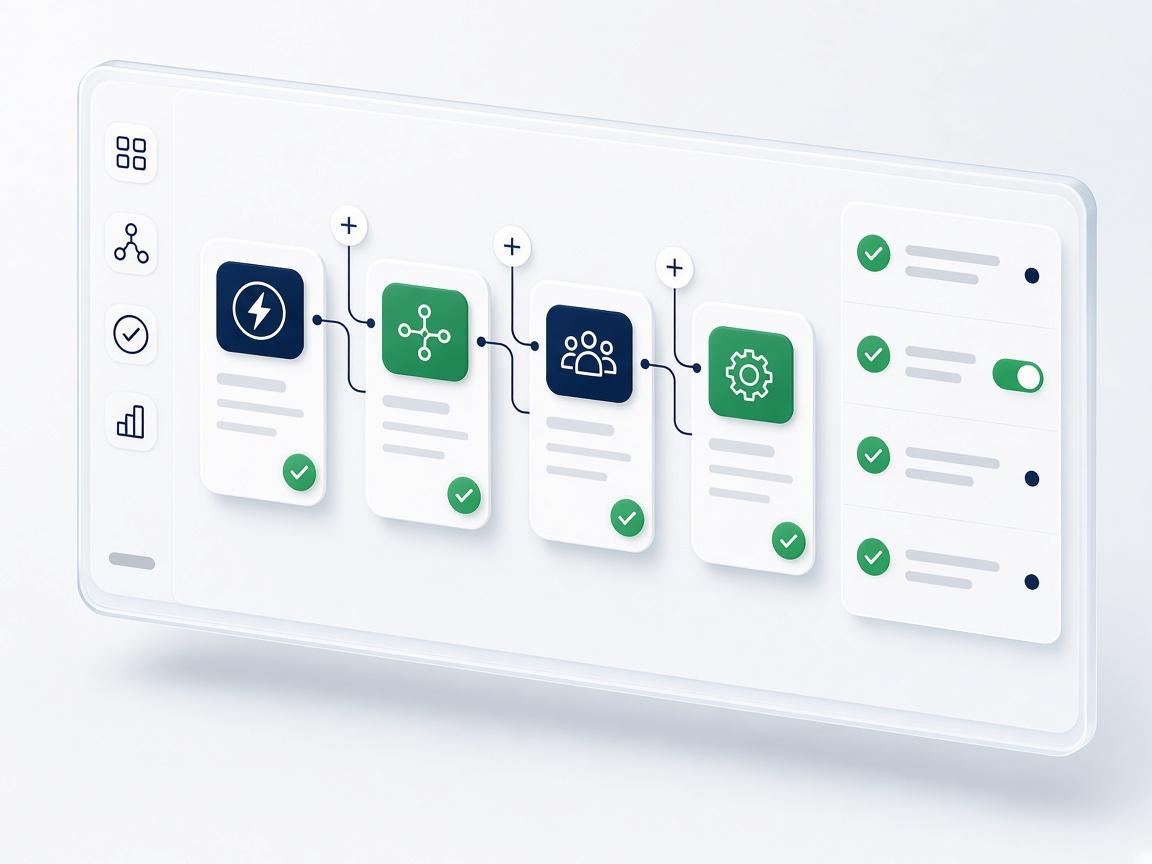
Tell us about the problem. We'll come back with an honest view of the right approach, and what a first increment looks like.