
02AI & Intelligence
Intelligence where it creates value.
We apply generative AI, retrieval, and machine learning where they measurably improve a workflow — grounded in your data, evaluated before launch, and monitored after.
- 8
- capabilities
- 4
- delivery stages
- 12
- technologies
How we approach it
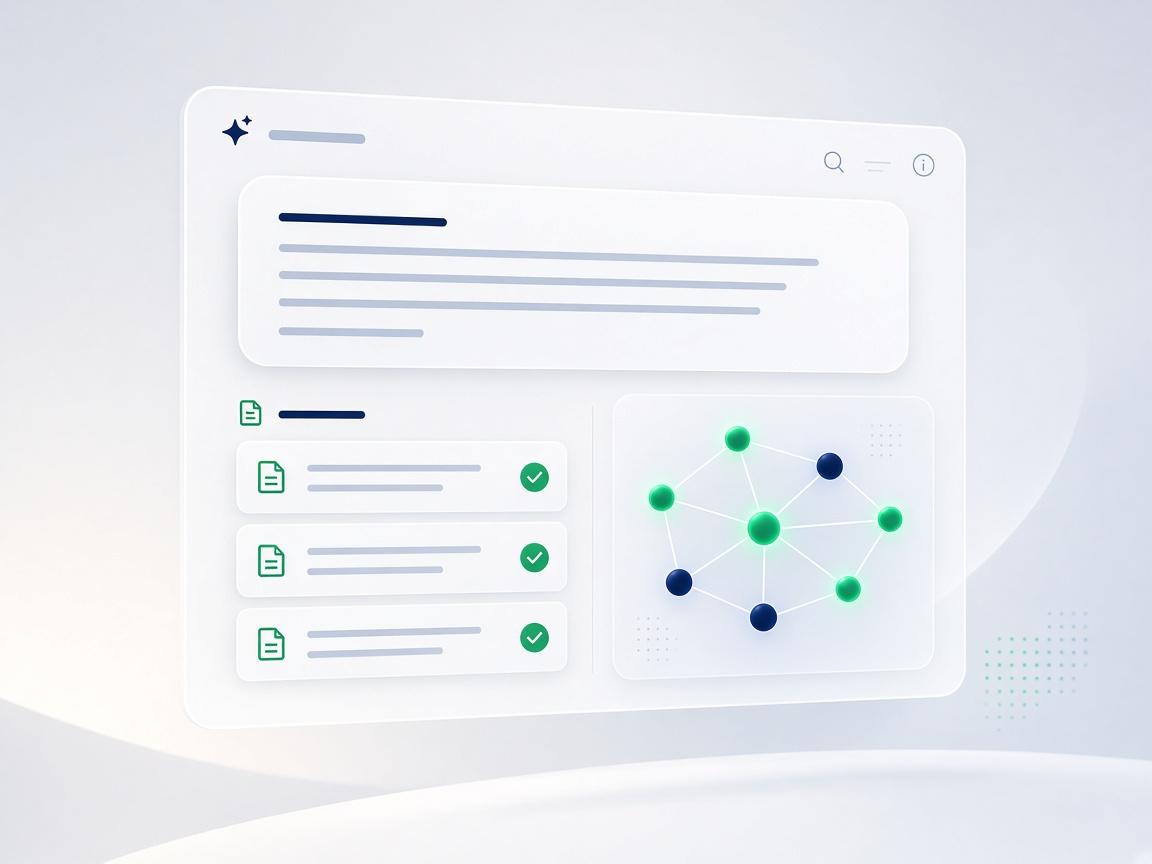
Trusted answers, not just generated ones
Ground
Connect models to your documents, databases, and systems so answers are specific, sourced, and verifiable.
Reason
Use the simplest intelligence that works — rules, classical ML, or LLMs — and combine them when the problem needs it.
Decide
Turn model output into decisions with evaluation, guardrails, and human review where the stakes require it.
What we build
AI & Intelligence, end to end
Eight intelligence capabilities — each engineered as part of a complete system, not a standalone demo.
Generative AI Applications
Drafting, summarization, and content workflows with brand, tone, and compliance controls built in.
- Prompt design
- Guardrails
- Human review
LLM Application Development
Production LLM features with structured outputs, tool use, caching, and cost control.
- Structured output
- Model routing
- Cost controls
RAG & Knowledge Systems
Search and Q&A over your documents with citations, permissions, and freshness handling.
- Vector search
- Citations
- Access control
AI Agents
Goal-driven assistants that use tools and data to complete multi-step tasks safely.
- Tool use
- Memory
- Safety limits
Machine Learning
Classification, forecasting, and scoring models trained and validated on your data.
- Feature pipelines
- Validation
- Model registry
Computer Vision
Image and video understanding for inspection, extraction, and monitoring use cases.
- Detection
- Classification
- Edge-ready
Document Intelligence
Extract, classify, and validate information from contracts, forms, invoices, and reports.
- OCR & parsing
- Field validation
- Review queues
Predictive & Decision Intelligence
Forecasts and recommendations delivered inside the tools where decisions are made.
- Forecasting
- Scenario views
- Explainability
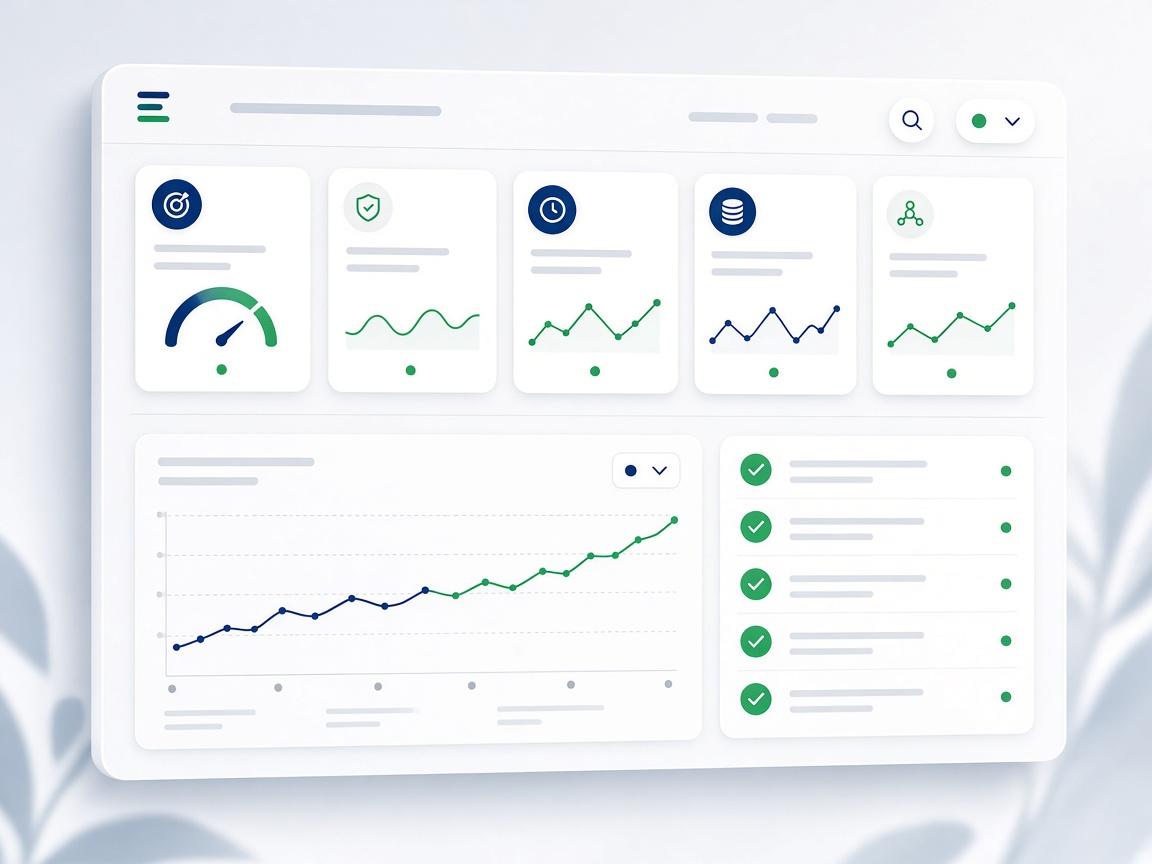
Measured, not assumed
Evaluated before launch. Observed after.
AI is not finished when the model works. We define quality up front, test against it, and keep measuring in production so you see drift before your users do.
- Accuracy, grounding, latency, and cost tracked together
- Regression suites for prompts, retrieval, and models
- Dashboards and alerts for drift and failures
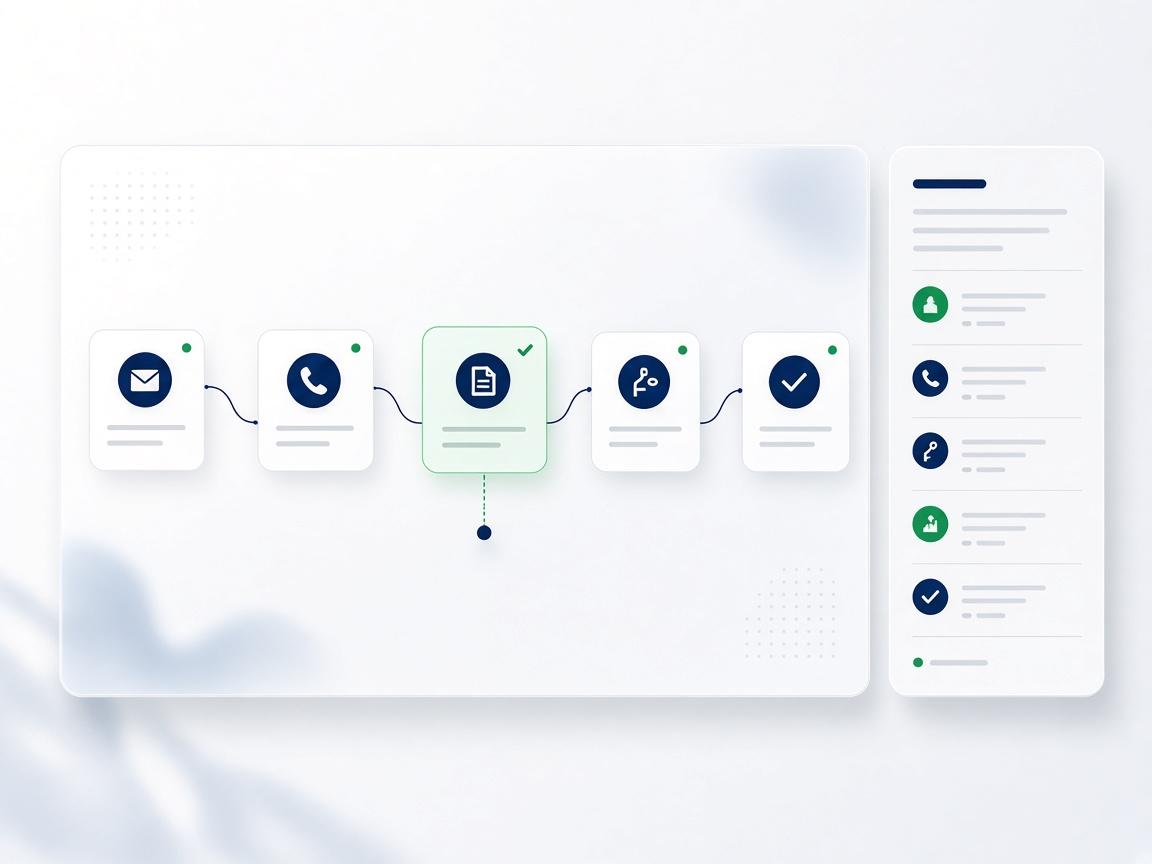
System flow
How intelligence reaches a decision
Context and evaluation sit on the path — not off to the side — so every output can be traced and checked.
- Data
- Context
- Model
- Intelligence
- Decision
How we deliver
A clear path from first call to production
- 01
Frame the problem
Decide whether AI is the right tool, which kind of intelligence fits, and how success will be measured.
- 02
Prepare data & context
Clean, permission, and index the data the system will rely on; define the retrieval and evaluation sets.
- 03
Build & evaluate
Implement the system and test it against the agreed quality bar before anything reaches users.
- 04
Deploy & monitor
Release with guardrails, then track quality, cost, and drift — and improve from live feedback.
Technology
Tools and platforms we work with
We choose the simplest technology that fits the problem — and work in your stack where you have one.
OpenAI
Anthropic
Google Gemini
Meta Llama
Mistral AI
LangChain
LlamaIndex
Hugging Face
PyTorch
TensorFlow
Pinecone
Weaviate
Engagement outcome
What you receive
- A working system integrated with your data and tools
- Evaluation suite and quality baseline
- Monitoring for quality, latency, and cost
- Documentation of data sources, prompts, and models
- Guidance on governance, privacy, and safe use
Where it applies
Industries and solutions




FAQ
Questions we hear most
Straight answers about how we work on this kind of project.
Which models do you use?
We're model-agnostic. We choose between commercial and open models — and between LLMs, classical ML, and rules — based on accuracy, latency, cost, privacy, and what the problem actually needs.
How do you keep answers accurate?
By grounding responses in your own data with citations, testing against an agreed evaluation set before launch, and monitoring quality after. Where stakes are high, we add human review.
Will our data be used to train third-party models?
We design for your privacy requirements — including private deployments and providers that don't train on your data — and document exactly where data flows.
Do we need a lot of data to start?
Not necessarily. Many valuable systems start with documents and processes you already have. We'll tell you honestly if the data isn't ready yet and what to do about it.
Keep exploring
More of what we do
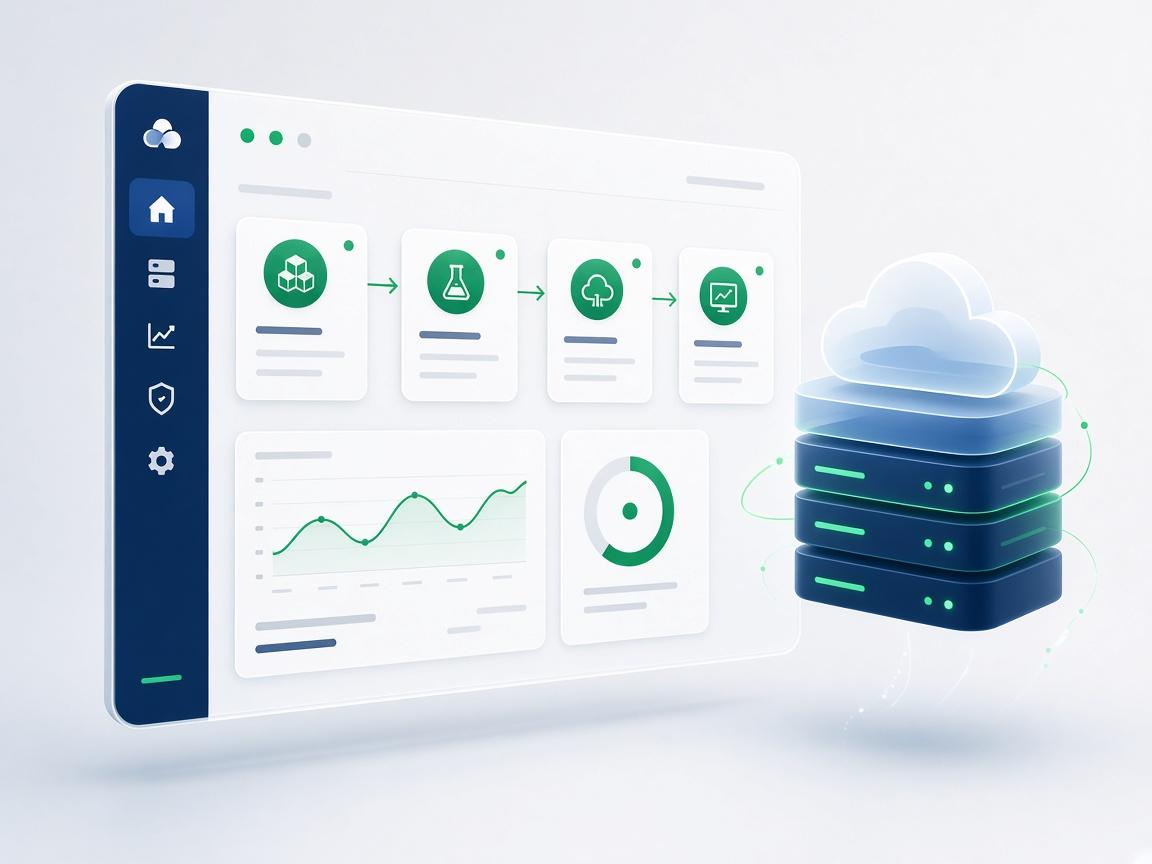
Ready to start with AI & Intelligence?
Tell us about the problem. We'll come back with an honest view of the right approach, and what a first increment looks like.