
04Modernize Existing Systems
Upgrade what works. Keep the business running.
We modernize legacy applications, databases, and integrations in controlled phases — preserving the logic that works, improving what doesn't, and adding AI where it earns its place.
- 8
- capabilities
- 4
- delivery stages
- 4
- industries served
How it works
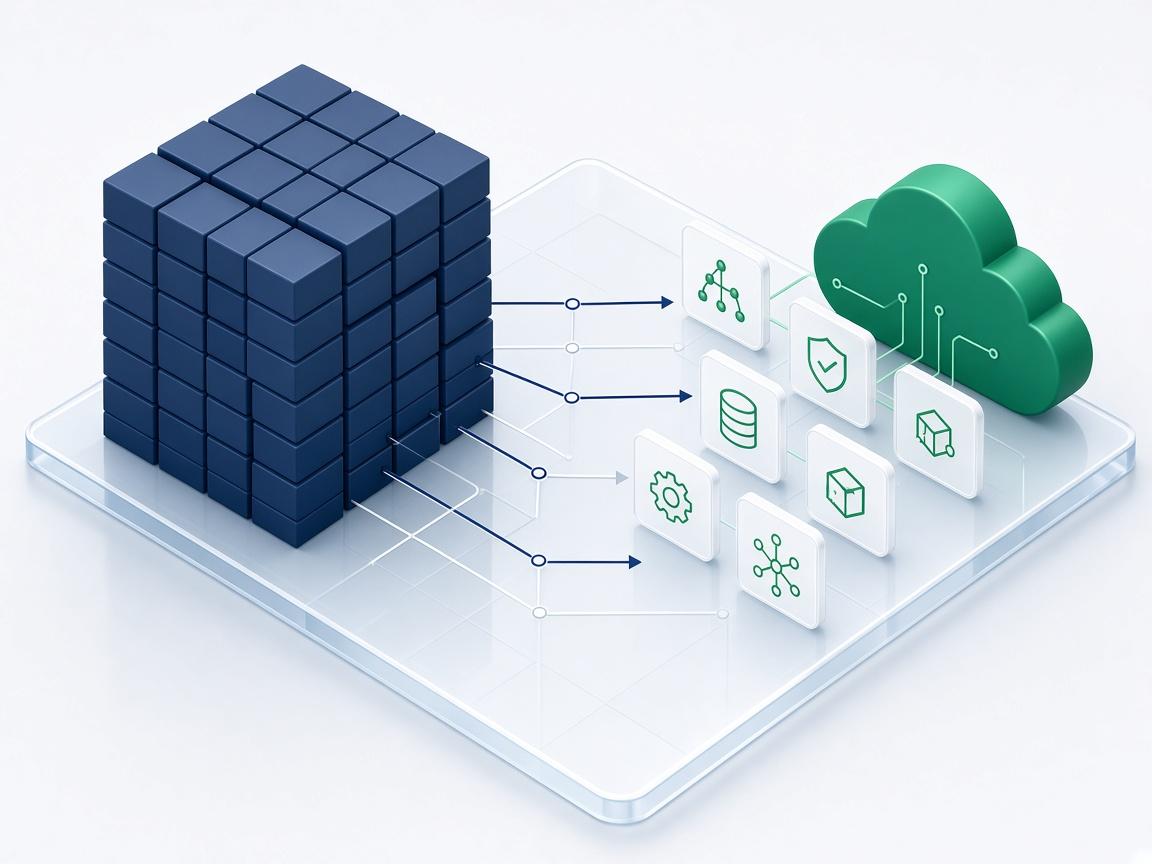
Modernize without starting over
- 01
Assess
Map the system as it is — code, data, dependencies, and risk — so every decision starts from facts.
- 02
Modernize
Replace or refactor in phases, behind stable interfaces, so the business keeps running while the platform improves.
- 03
Integrate
Expose legacy data through modern APIs and connect it to new tools, automation, and AI.
The challenge
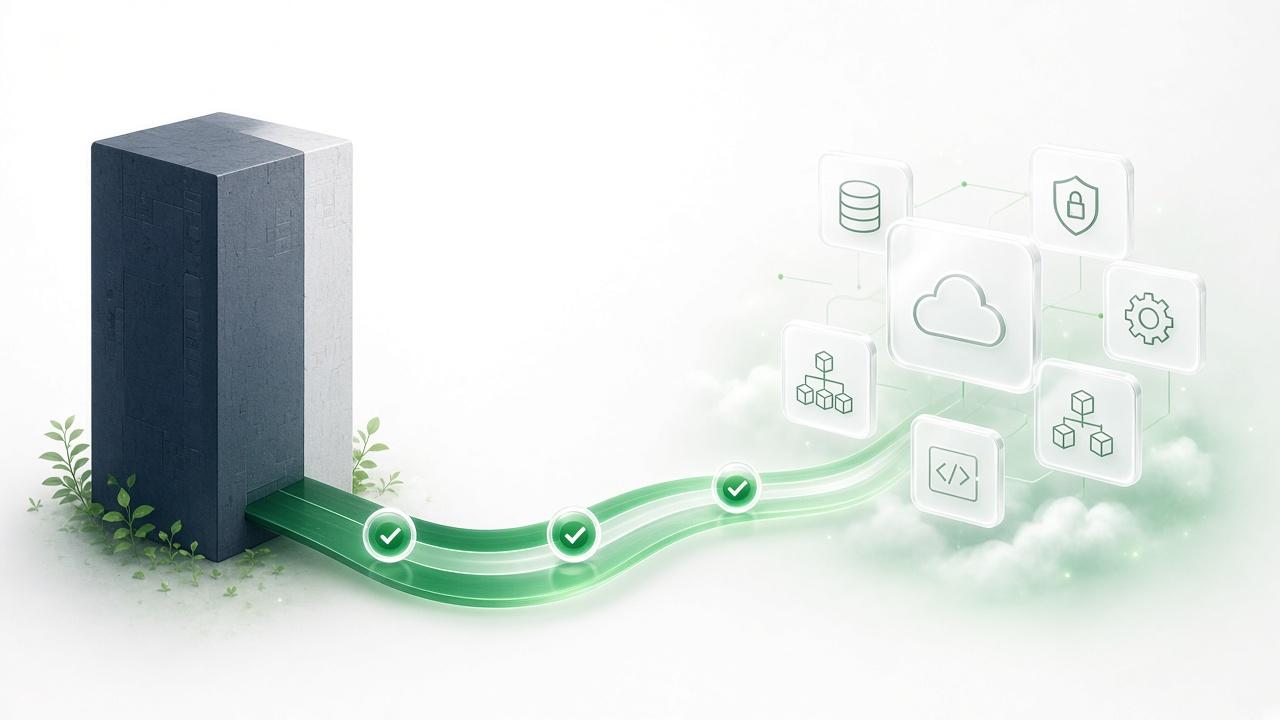
Signs it's time to modernize
- 01
Legacy applications
Critical software on outdated frameworks that few people understand.
- 02
Slow, hard-to-change systems
Small changes take weeks because the code is tangled and under-tested.
- 03
Disconnected systems
Data re-entered between tools because nothing integrates cleanly.
- 04
Scaling and security gaps
Architecture that struggles under load and can't meet modern compliance needs.
What we do
Modernize Existing Systems, in practice
Eight modernization capabilities, combined into a phased plan that fits your risk tolerance.
Legacy modernization
Refactor or replace aging applications, preserving business logic and data.
- Preserve logic
- Phased cutover
- Tests
Backend modernization
Move to maintainable services with tests, observability, and clear boundaries.
- Services
- Observability
- Boundaries
API modernization
Wrap and replace brittle interfaces with versioned, documented APIs.
- Versioning
- Docs
- Wrappers
Database modernization
Migrate and restructure data stores with reconciliation and rollback plans.
- Migration
- Reconcile
- Rollback
Cloud migration
Re-host, re-platform, or re-architect for cloud with security and cost in mind.
- Re-host
- Re-platform
- Secure
Architecture improvements
Reduce coupling and complexity so the system is easier to extend and operate.
- Decouple
- Simplify
- Extend
System integrations
Connect your core systems to each other and to modern tools.
- APIs
- Events
- Sync
AI integration into existing software
Add copilots, classification, and automation beside your core systems — without rewriting them.
- Copilots
- Classify
- Automate
Low-risk delivery
Phased cutovers with parallel proof
We move critical systems the careful way: run old and new side by side, reconcile the results, and switch over only when the numbers match.
- Strangler-style migration, one capability at a time
- Regression suites on business-critical flows
- Rollback plans and operability docs for your team
System flow
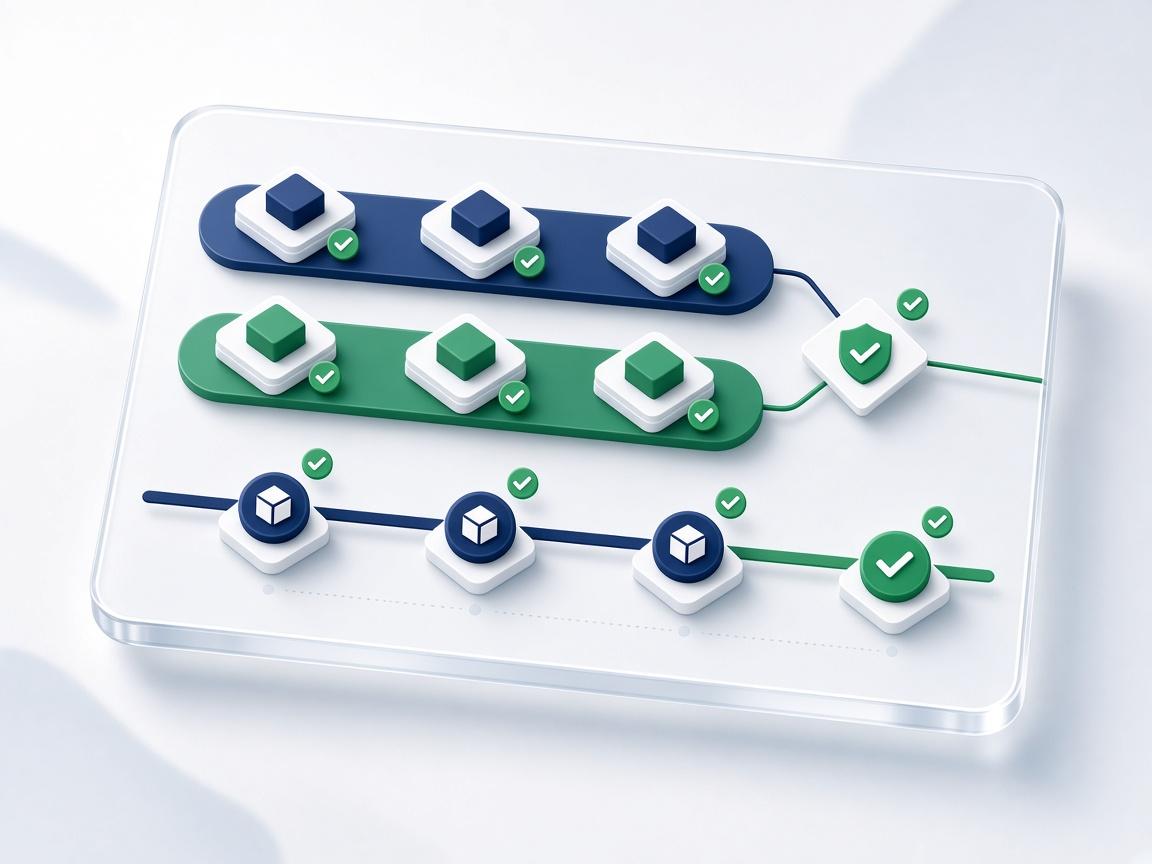
How the system works
Modernization doesn't always mean rebuilding everything. We preserve what works and improve what doesn't.
- Assess
- Architect
- Modernize
- Integrate
- Test
- Deploy
The outcome
More maintainable, scalable, secure, and adaptable software.
What changes for the teams that rely on it.
Fear of touching fragile code
Tested, documented, changeable systems
Data locked in old platforms
Modern APIs and connected tools
All-or-nothing rewrites
Incremental upgrades with proof at each step
Under the hood
AI / ML capabilities
We choose rules, classical ML, deep learning, LLMs, RAG, or agents based on the problem, data, and reliability needs—not hype. Software, data, and ML engineers on one team.
- 01
API and event layers exposing legacy data to modern consumers
- 02
Incremental copilots, classifiers, and automation beside core systems
- 03
ML-ready data pipelines from operational stores
- 04
Cloud-native services and CI/CD around proven domains
Production & reliability
- 01
Strangler and phased cutovers with parallel reconciliation
- 02
Regression suites on business-critical flows
- 03
Security and compliance upgrades in architecture, not at audit time
- 04
Operability docs and monitoring so your team can run what we ship
How we deliver
A clear path from first call to production
- 01
Assess
Review code, data, infrastructure, and risk to define what to keep, change, or retire.
- 02
Architect
Design the target state and a phased path that keeps the business running.
- 03
Modernize & integrate
Deliver in increments behind stable interfaces, with tests and reconciliation.
- 04
Deploy & hand over
Cut over with monitoring and rollback, then document and train your team.
Technology
Tools and platforms we work with
We choose the simplest technology that fits the problem — and work in your stack where you have one.
TypeScript
Node.js
Python
PostgreSQL
Docker
Kubernetes
Terraform
AWS
Microsoft Azure
Google Cloud
GitHub Actions
Engagement outcome
What you receive
- Assessment report with a prioritized modernization roadmap
- Modernized services, APIs, or data stores in production
- Automated tests and CI/CD around critical flows
- Security and compliance improvements in the architecture
- Runbooks and training so your team can operate the result
Where it applies
Industries and capabilities
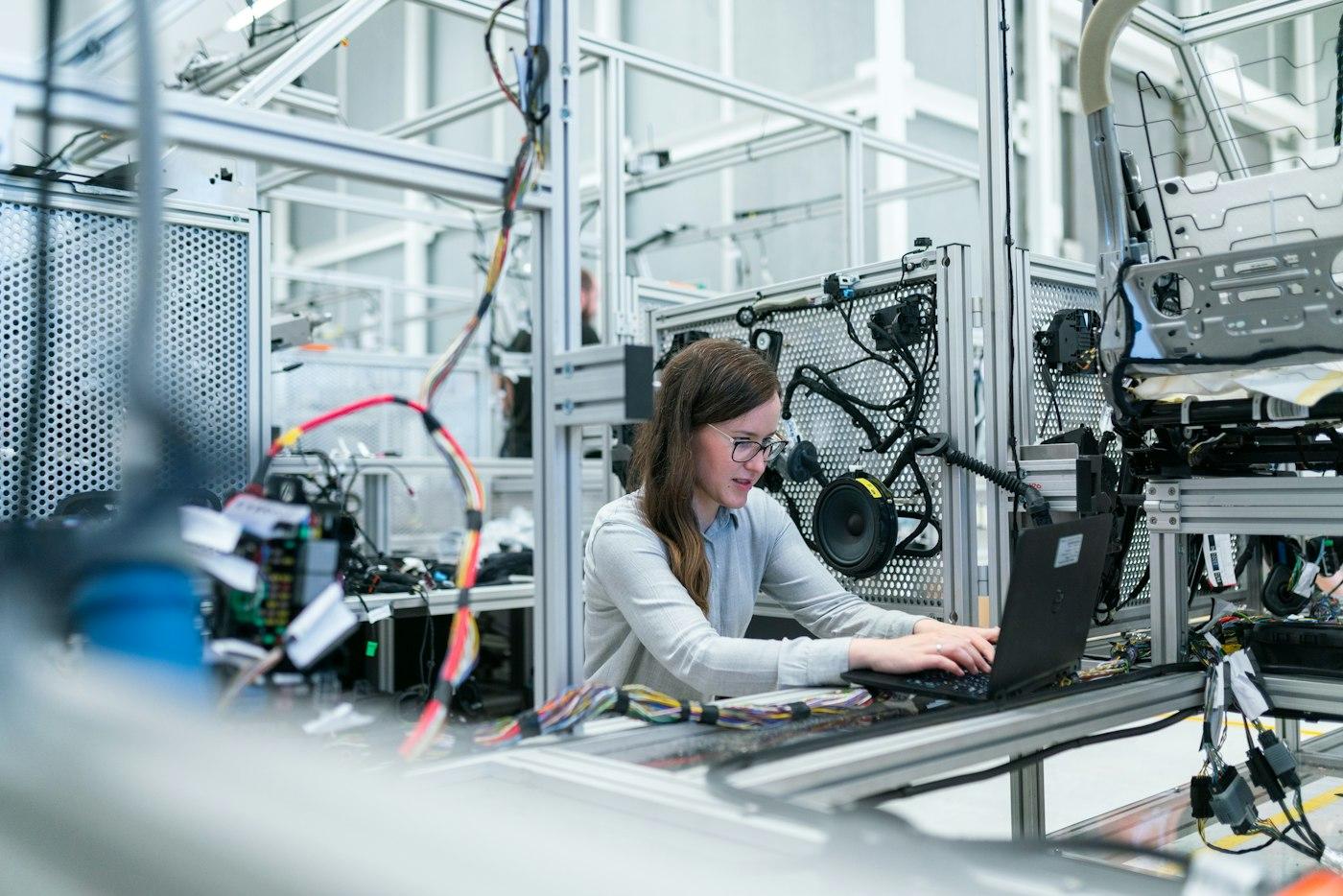


- Software EngineeringCustom web, mobile, API, and enterprise software engineering — reliable foundations for modern businesses.
- Products & InfrastructureSaaS product development, cloud architecture, DevOps, monitoring, and security engineering for production systems.
- AI & IntelligenceGenerative AI, LLM applications, RAG, machine learning, and document intelligence engineered for production.
FAQ
Questions we hear most
Straight answers about how we work on this kind of project.
Do we have to rewrite everything?
Rarely. We preserve what works and replace the parts that hold you back — usually in phases, behind stable interfaces.
How do you avoid downtime during migration?
We run old and new in parallel, reconcile outputs, and cut over in small steps with rollback plans.
Can you work with code we don't fully understand?
Yes. The first phase is assessment: reading the code, mapping dependencies, and adding tests so changes are safe.
Can we add AI to a legacy system?
Often without touching the core: we expose data through APIs and add AI services beside the existing system.
Keep exploring
More solutions
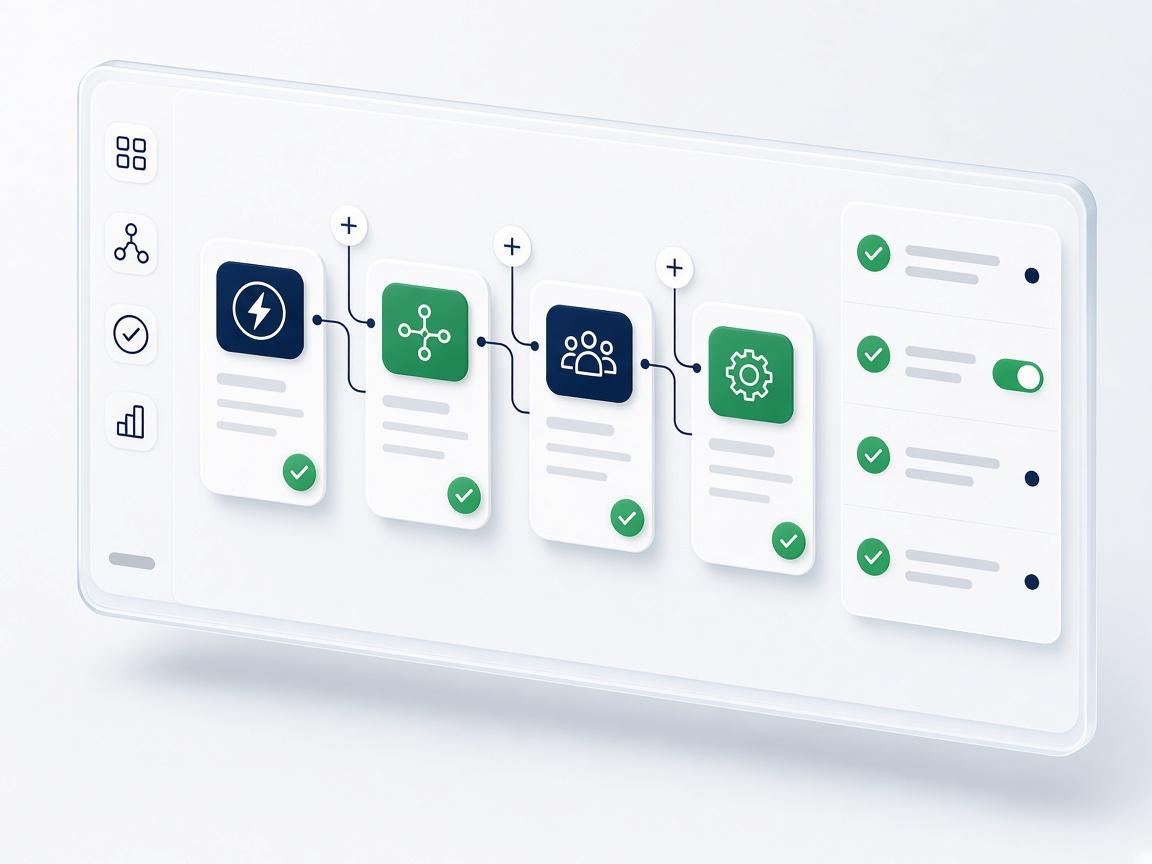
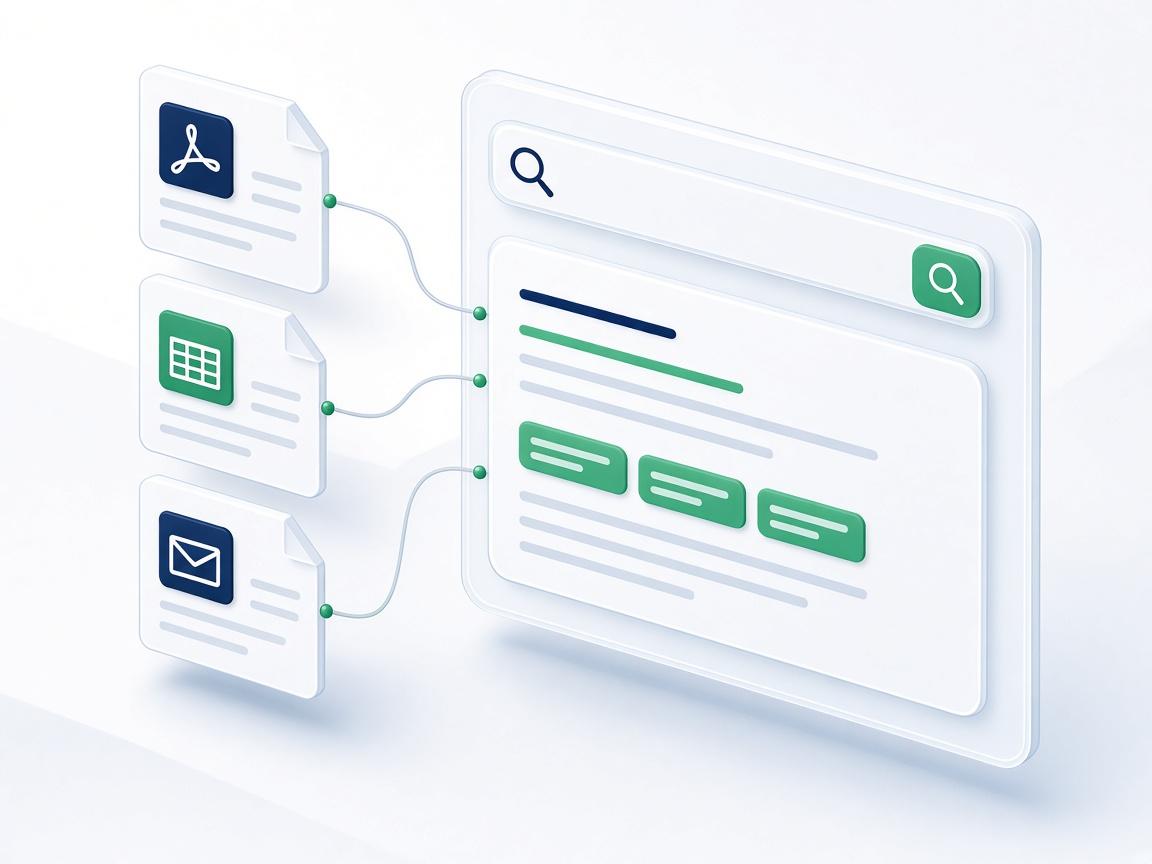
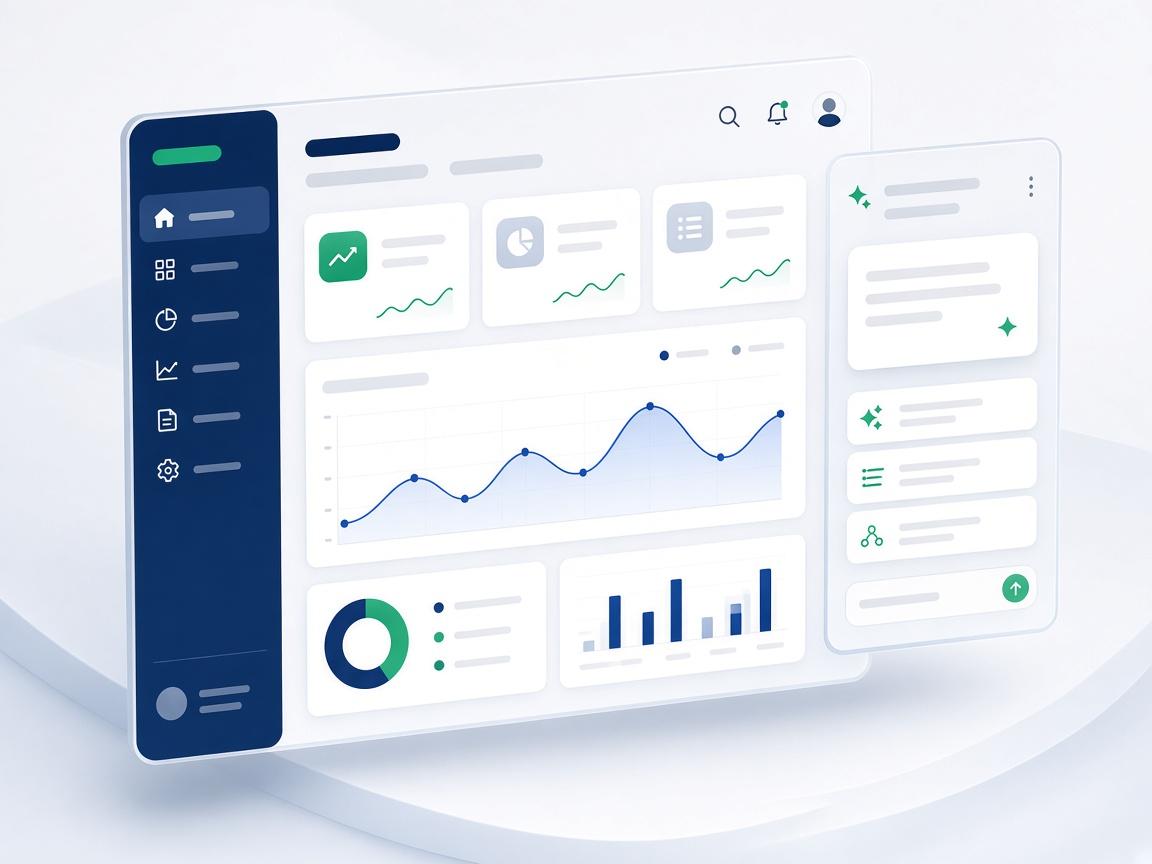
Ready to start with Modernize Existing Systems?
Tell us about the problem. We'll come back with an honest view of the right approach, and what a first increment looks like.