
03AI Agents & Automation
Systems that understand, decide, and act.
We build agents and automation that handle real workflows — email, voice, support, sales, and back-office processes — with permissions, audit trails, and human escalation built in.
- 8
- capabilities
- 4
- delivery stages
- 9
- technologies
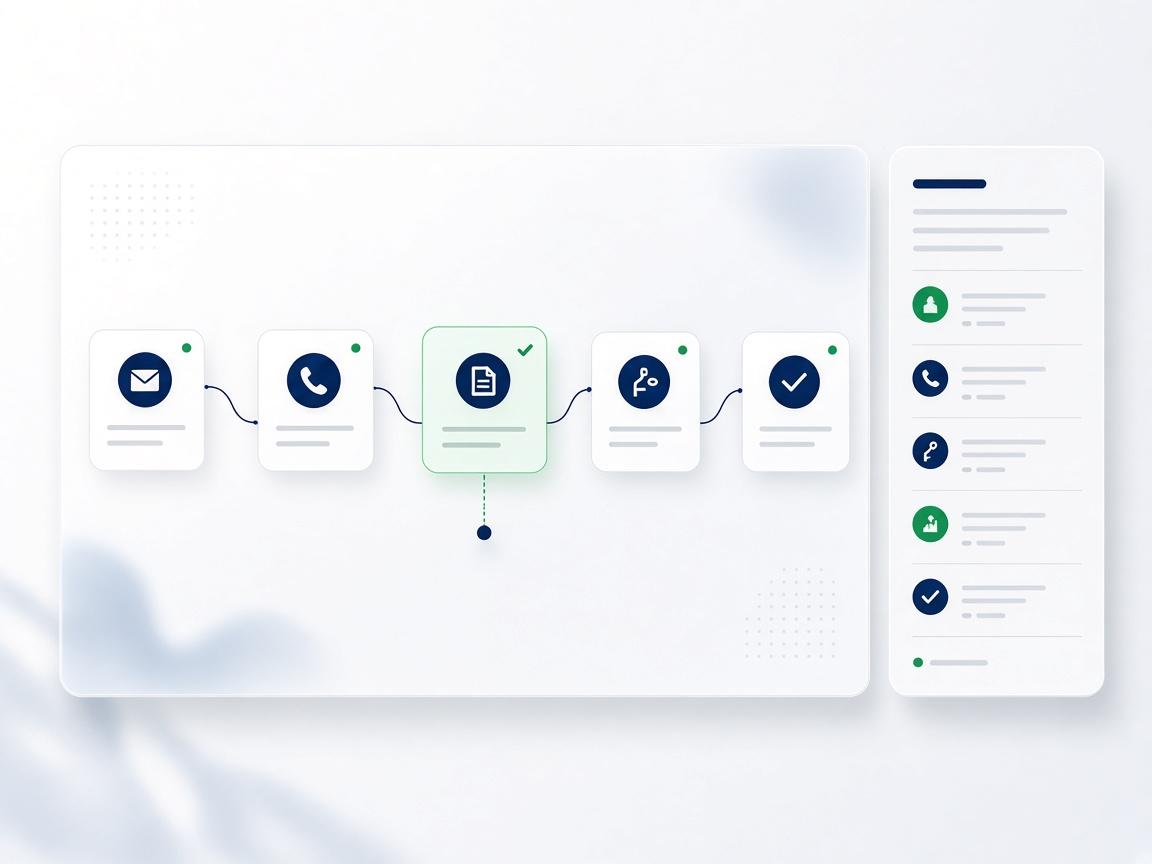
How we approach it
Understand. Decide. Act.
Understand
Read emails, listen to calls, and parse documents and requests into structured intent your systems can use.
Decide
Apply rules, policies, and models to choose the next step — and know when to hand off to a person.
Act
Update records, send replies, schedule work, and trigger processes — with every action logged and reversible where possible.
What we build
AI Agents & Automation, end to end
Eight agent and automation capabilities, designed around permissions, oversight, and reliability.
Email & Communication Agents
Triage, draft, and route messages, with approvals for anything sensitive.
- Inbox triage
- Drafted replies
- Approval flows
Voice & Calling Agents
Natural phone conversations for scheduling, qualification, and status updates.
- Speech-to-text
- Call handoff
- Transcripts
Customer Support Agents
Resolve common requests from your knowledge base and escalate the rest with full context.
- Answer resolution
- Ticket handoff
- Quality review
Sales & Lead Agents
Qualify inbound leads, enrich records, and keep your CRM current.
- Lead scoring
- CRM sync
- Follow-up drafts
Research Agents
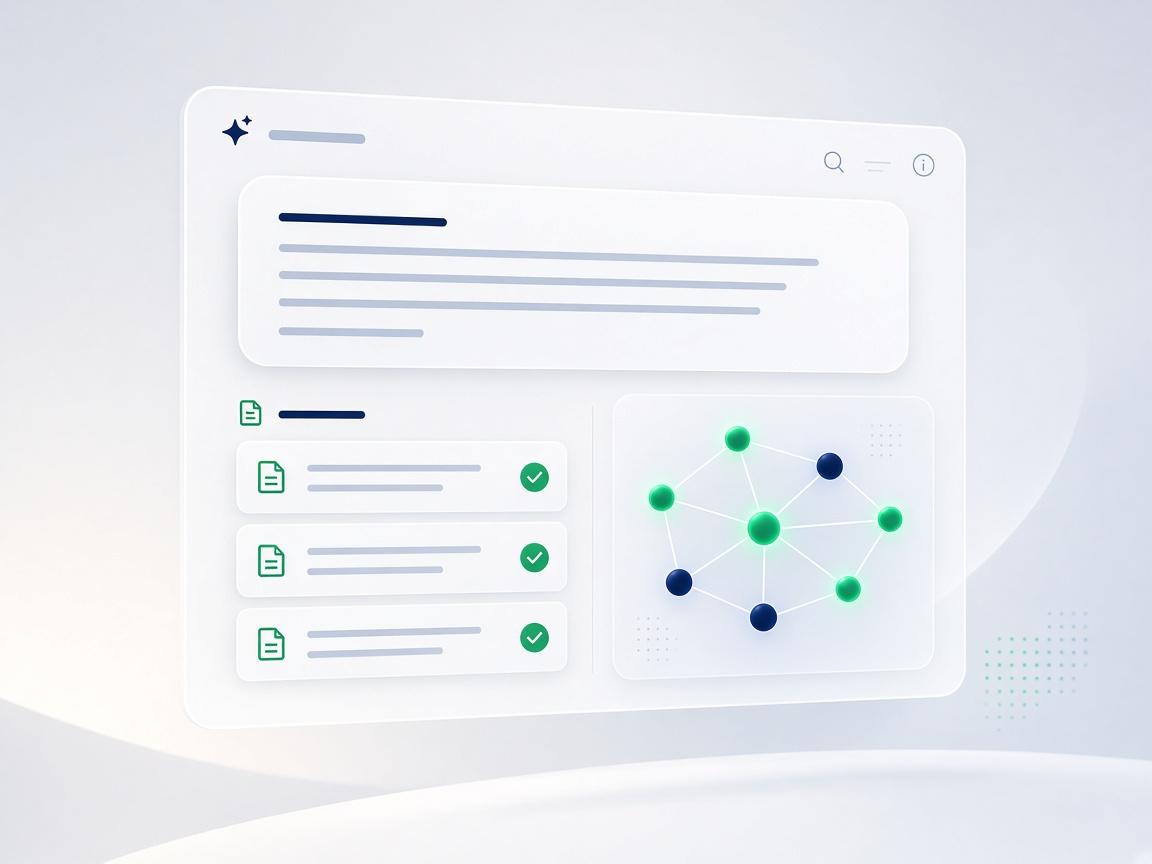
Gather, compare, and summarize information from approved sources with citations.
- Source tracking
- Structured briefs
- Citations
Workflow Agents
Plan and execute multi-step tasks across your tools, verifying each step.
- Task planning
- Tool use
- Verification
Business Process Automation
Replace repetitive manual steps with reliable, monitored automation.
- Rule engines
- Integrations
- Exception queues
AI Workflow Orchestration
Coordinate agents, models, and systems with retries, state, and observability.
- Orchestration
- Retries & state
- Tracing
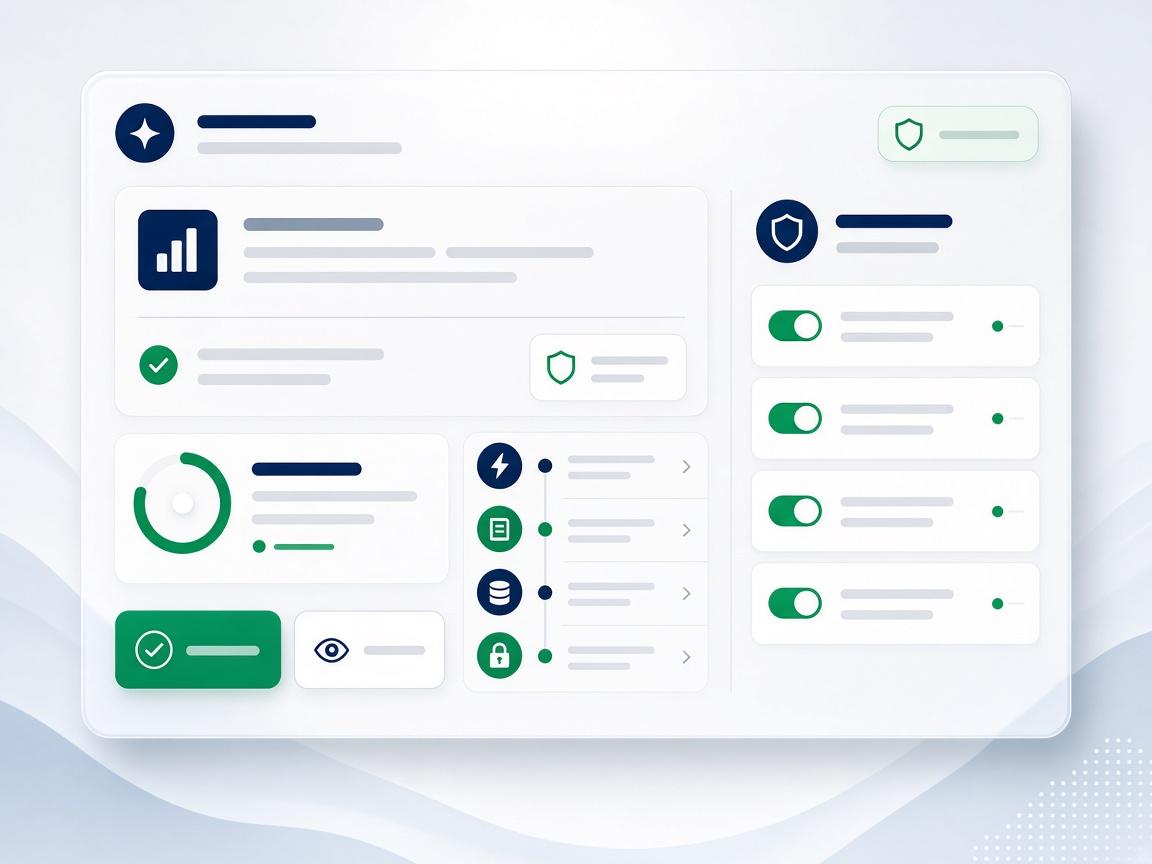
Control by design
Autonomy with guardrails.
Agents are only useful if you can trust them. Every agent runs with scoped permissions, a visible audit trail, and clear rules for when a person takes over.
- Least-privilege access to each tool and dataset
- Approvals for high-impact or irreversible actions
- Full step-by-step history for review and debugging
System flow
How an agent handles a request
Each step is logged, checked, and recoverable — if something fails, the system retries or escalates instead of guessing.
- Understand
- Decide
- Act
- Voice
- Listen
- Reason
- Respond
- Workflow
- Plan
- Execute
- Verify
How we deliver
A clear path from first call to production
- 01
Map the workflow
Document the process as it really runs — inputs, decisions, exceptions, and who is involved.
- 02
Design agent & guardrails
Define tools, permissions, policies, and escalation paths before building behavior.
- 03
Build & rehearse
Implement, then test against real historical cases and edge cases in a safe environment.
- 04
Run & improve
Launch with human oversight, review outcomes, and expand autonomy as trust is earned.
Technology
Tools and platforms we work with
We choose the simplest technology that fits the problem — and work in your stack where you have one.
OpenAI
Anthropic
LangChain
LlamaIndex
Python
FastAPI
Redis
PostgreSQL
GitHub Actions
Engagement outcome
What you receive
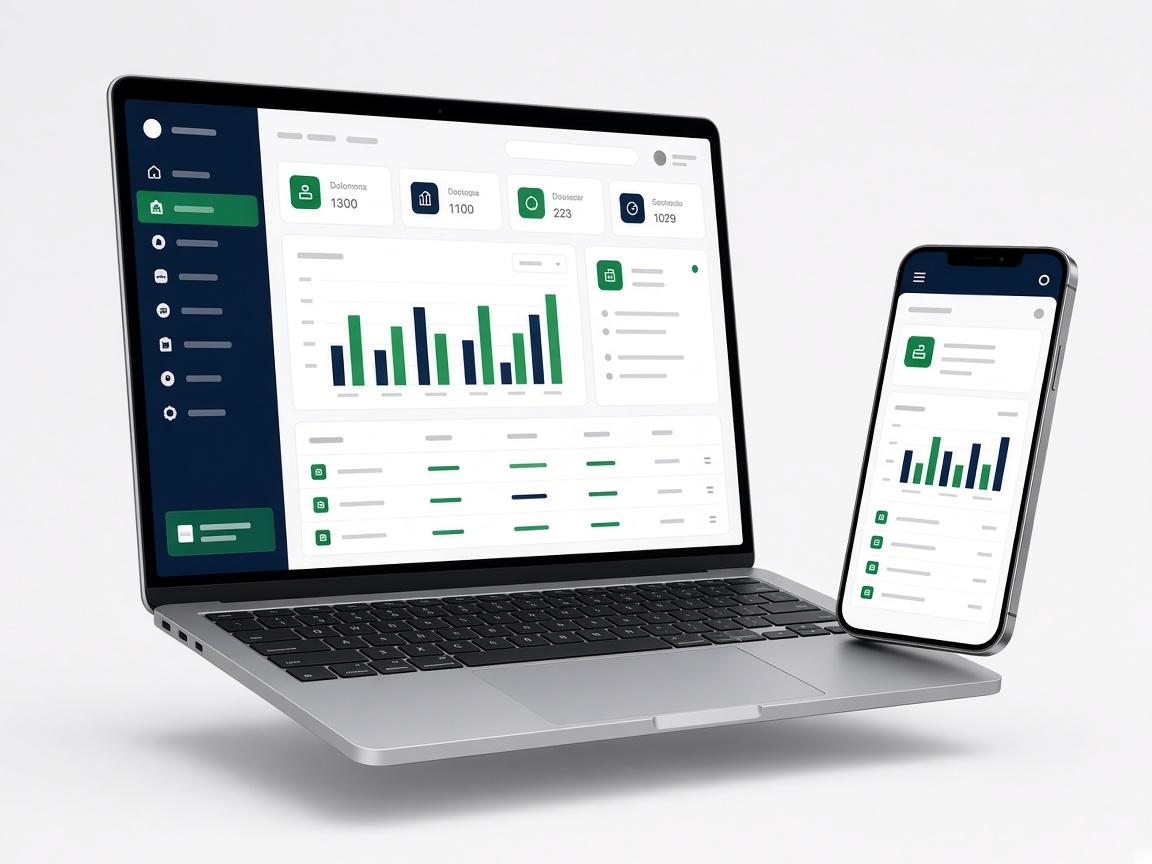
- Deployed agents integrated with your tools and data
- Permission model and escalation rules
- Audit logging and monitoring dashboards
- Test scenarios from your real cases
- Runbook for operating and extending the agents
Where it applies
Industries and solutions




FAQ
Questions we hear most
Straight answers about how we work on this kind of project.
Can agents act without human approval?
That's configurable per action. Low-risk, reversible steps can run automatically; sensitive or high-impact actions can require approval. Most teams expand autonomy gradually as results are verified.
What happens when an agent gets it wrong?
Agents are built to detect uncertainty and hand off with full context. Every step is logged, so mistakes can be traced, corrected, and used to improve the system.
Which systems can agents connect to?
Anything with an API, database, or reliable interface — email, CRMs, ticketing, calendars, ERPs, and internal tools. We scope access to the minimum each agent needs.
How is this different from simple automation?
Traditional automation follows fixed rules. Agents add understanding of unstructured input — text, speech, documents — and can choose between steps, while rules and approvals keep them within bounds.
Keep exploring
More of what we do
Ready to start with AI Agents & Automation?
Tell us about the problem. We'll come back with an honest view of the right approach, and what a first increment looks like.