
09Logistics
The network should replan itself. People should handle the exception.
Demand shifts, lanes clog, and partners still coordinate in email. We engineer forecasting, routing, and exception intelligence that can replan under live constraints — so operations sees the disruption while there is still a move left, not in the next morning’s report.
- 6
- capabilities
- 4
- delivery stages
- 4
- system layers

Architecture
A network architecture that can change its mind
Static plans die on contact with weather, volume, and carrier reality. We keep orders, inventory, and telematics in one operating picture, simulate before we commit, and push exceptions to people with the context to act.
Sources
- TMS
- WMS
- Orders
- Telematics
- 01
Network context
Orders, inventory, capacity, and location events joined at operational cadence.
- 02
Intelligence
Forecast, routing, ETA, and anomaly models that can be re-run when the world changes.
- 03
Commit
Simulation, then dispatch into the TMS/WMS — with a human on irreversible or costly moves.
- 04
Control tower
Exception queues, partner APIs, and 24/7 monitoring on the paths that move freight.
Why it matters
Why logistics AI has to be live
A nightly plan is a hypothesis. The product is what you do when the hypothesis is wrong at 14:00.
Replan, don’t report
Models and solvers run on events, not on a morning batch that is already stale.
Constraints are the product
Hours of service, dock slots, and service promises are inputs — not footnotes on a pretty route.
Exceptions with options
The queue shows what broke and what is still possible, not a red dot on a map.
How it works
Forecast, optimize, and handle the exception
- 01
Forecast
Demand and capacity at the grain operations actually buys and staffs against.
- 02
Optimize
Routes, loads, and labor under live constraints — then re-optimize when a constraint breaks.
- 03
Exception
Detect the miss early, attach the options, and route it to someone who can still change the outcome.
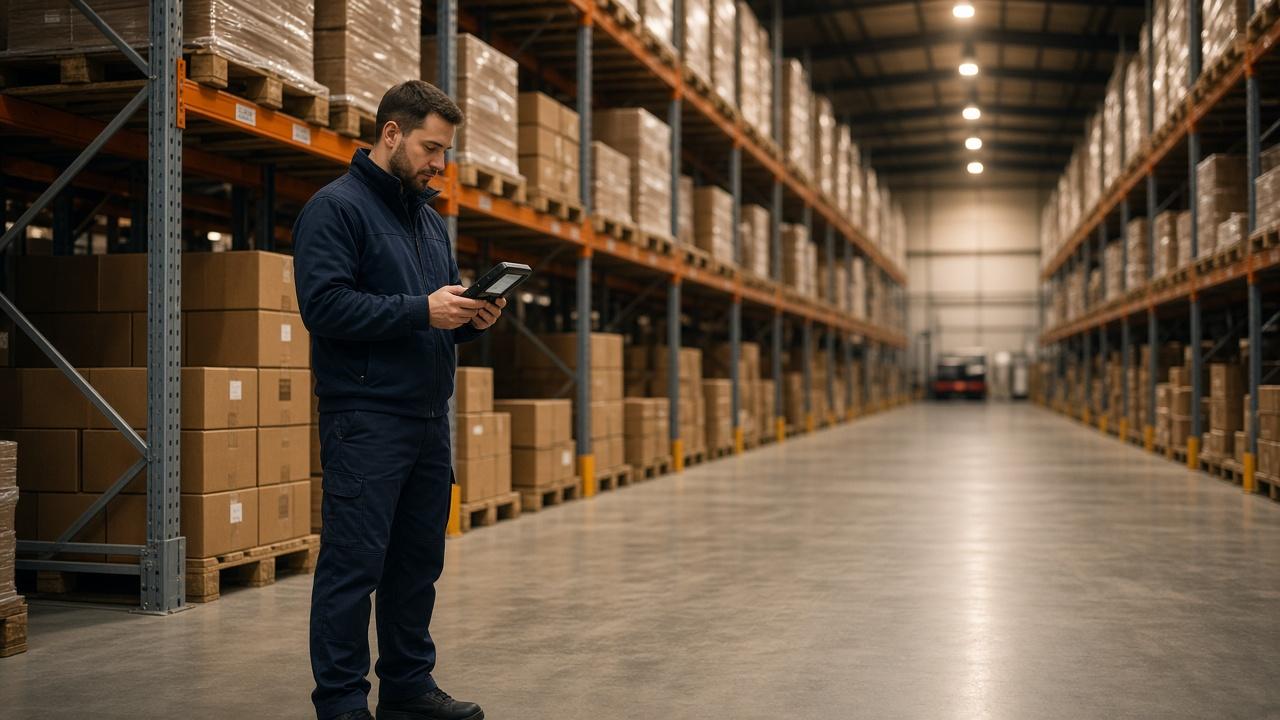
In production
What production logistics AI actually does
How the system behaves when it is live — not in a demo.
- 01
How it works
The network state is current. Plans are proposals until they are committed.
- Ingests orders, inventory, and location at the cadence dispatch needs.
- Forecasts and optimizes under constraints, then simulates the commit.
- Pushes work to TMS/WMS and opens exceptions when reality diverges.
- 02
Why it is different
This is not a map with ETAs glued on.
- Solvers respect the constraints dispatch already knows are real.
- Partner and customer updates are APIs, not extra phone trees.
- Monitoring is 24/7 on routing and forecast jobs, because freight does not sleep.
- 03
Why it matters
Cost, service, and sanity stop being a three-way loss.
- Planners spend time on the ugly exceptions.
- Customers see an ETA that still means something.
- The network absorbs a shock without a war room by default.
The challenge
Where supply networks lose time
Demand forecasting, route optimization, and real-time operational intelligence built for complex, fast-moving supply networks.
- 01
Plans vs. the afternoon
Routes and labor are locked in the morning. The world is not.
- 02
Visibility gaps
Warehouse, linehaul, and last mile each have a system. Nobody has the shipment.
- 03
Partner coordination
Carriers, 3PLs, and customers still learn about delays by calling.
- 04
Last-mile economics
Density, windows, and failed deliveries punish you unless routing can replan cheaply.
Put it to work
What we build for Logistics
Network capabilities we deploy together — forecast without routing is a report; routing without exceptions is a wish.
Demand forecasting
SKU, lane, and node forecasts that replenishment and labor can actually staff to.
- Forecasts
- Grain
- Accuracy
Route & load optimization
Constraint-aware routing with a replan path when a stop, vehicle, or window breaks.
- Routes
- Loads
- Replans
ETA & exception detection
Arrival prediction and early warning when a shipment will miss — with next-best options.
- ETAs
- Alerts
- Options
Warehouse intelligence
Slotting, labor, and replenishment signals inside the WMS cadence.
- Slotting
- Labor
- Replenishment
Control-tower workflows
Exception queues with owners, SLAs, and partner notifications.
- Queues
- Owners
- Notify
Supplier & carrier risk
Early signals on capacity, performance, and concentration — for planners, not a slide.
- Risk
- Concentration
- Watchlists
Logistics
The work Logistics teams run
Demand forecasting, route optimization, and real-time operational intelligence built for complex, fast-moving supply networks.
- 01
Route Optimization
- 02
Demand Forecasting
- 03
Fleet Intelligence
- 04
Operations Automation
- 05
Warehouse Management Systems
- 06
Shipment Tracking Automation
- 07
Inventory Replenishment Models
- 08
Delivery Time Prediction
- 09
Supplier Risk Analysis
- 10
Last-Mile Delivery Optimization
Planning
Forecasts operations will staff to
Demand and capacity at a grain that labor and inventory can use.
Dispatch
Exceptions with an owner
Control-tower workflows, partner updates, and SLA clocks.
Stack
TMS and WMS, evented
Intelligence on the systems you already dispatch from.
Playbooks
What we did last time this lane broke
Retrieval over SOPs, tariffs, and incident notes when the clock is running.
Simulate, then commit
Do not dispatch a guess
We treat a route as a proposal until constraints, cost, and service have been checked. Irreversible or expensive commits stay behind a human or a rule you can defend at 2 a.m.
- Simulation before commit on costly moves
- Replan triggers from telematics, orders, and docks
- Exception packets with options, not just alerts
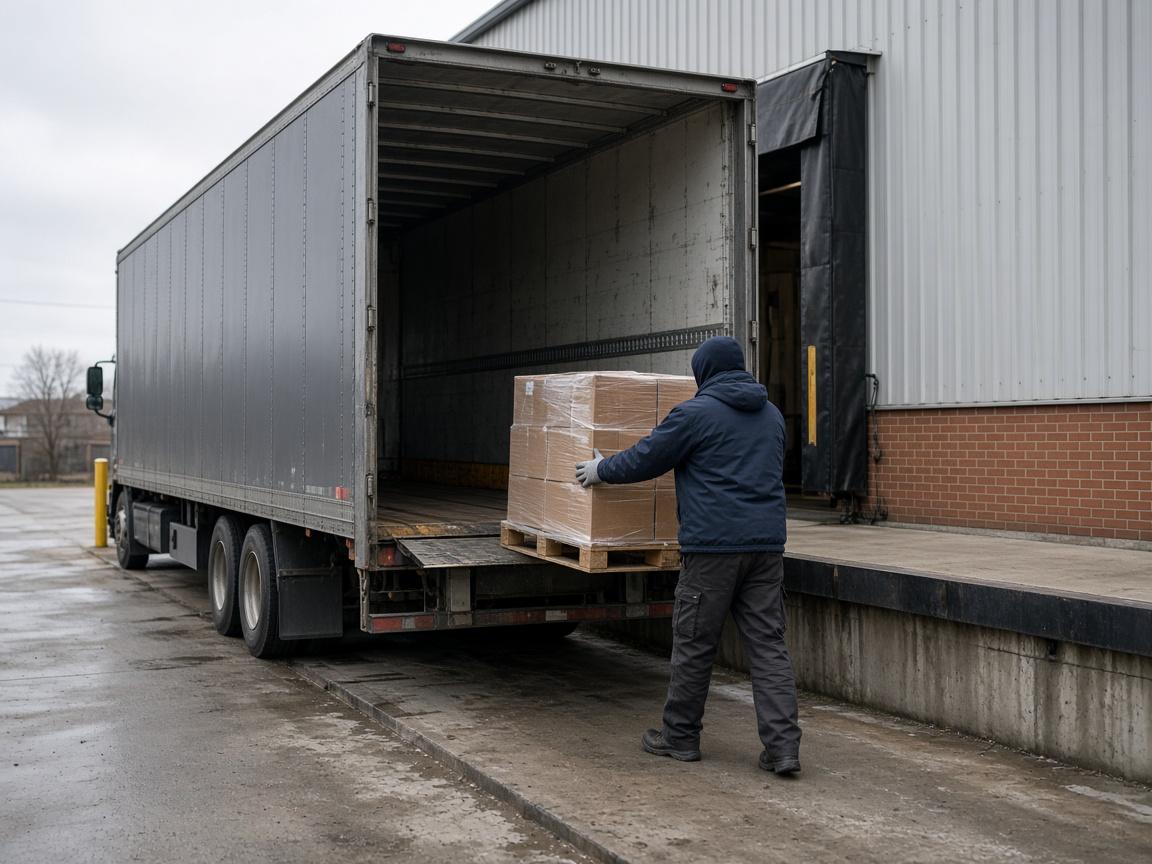
System flow
How we engineer for logistics & supply chain
- Operational data
- Forecast & optimize
- Automate dispatch
- Track in real time
- Adapt to disruption
The outcome
Networks that plan smarter, respond faster, and keep goods moving reliably.
What changes for the teams that run this work every day.
Morning plan, afternoon fire drill
Event-driven replan with options
ETA as a hope
Arrival prediction with miss alerts
Partners informed by phone
APIs and exception queues
Under the hood
Industry-specific AI / ML
Forecasting, routing, and exception detection for networks that cannot stay static.
- 01
Demand forecasting at SKU, lane, and region level
- 02
Route and load optimization under live constraints
- 03
ETA prediction and carrier exception detection
- 04
Warehouse slotting, labor, and replenishment models
Production & governance
- 01
Real-time ingestion from TMS, WMS, and IoT
- 02
Simulation before committing routes
- 03
APIs to dispatch, customers, and partners
- 04
24/7 monitoring on routing and forecast pipelines
How we deliver
A clear path from first conversation to production
- 01
Map the network
Nodes, constraints, systems, and who currently gets the 2 a.m. call.
- 02
Make state visible
Orders, inventory, and location in one picture before we optimize anything.
- 03
Optimize with a human gate
Shadow-run against last week’s chaos; only then commit to live dispatch.
- 04
Operate the exceptions
Launch the queue, the notifications, and the monitoring — then tighten constraints.
Technology
Tools and platforms we work with
We choose the simplest stack that fits the constraint — and work in yours where you already have one.
Python
FastAPI
PostgreSQL
Redis
PyTorch
AWS
Docker
Kubernetes
GitHub Actions
OpenAI
Engagement outcome
What you receive
- Forecasting and/or routing services tied to TMS/WMS
- Exception queues with options and owners
- Simulation-before-commit on costly actions
- Partner and customer notification APIs
- Runbook for dispatch, planning, and engineering
Where it connects
Capabilities we draw on
- AI & IntelligenceGenerative AI, LLM applications, RAG, machine learning, and document intelligence engineered for production.
- AI Agents & AutomationAI agents, workflow orchestration, and business process automation for email, voice, support, sales, and research.
- Software EngineeringCustom web, mobile, API, and enterprise software engineering — reliable foundations for modern businesses.
FAQ
Questions we hear in this sector
Straight answers about how we work — without invented case results.
Will this auto-dispatch without a planner?
Only inside constraints you define. Expensive, irreversible, or customer-sensitive commits start with a human or a strict rule. The point is to replan fast, not to remove judgment.
Can you work with our TMS and WMS?
Yes. We integrate with the systems dispatch already opens. Replacing them is not the opening move.
What if telematics is sparse?
We design for incomplete location. Confidence should fall in public; the system should not invent a precise ETA from a missing ping.
How do partners get updates?
APIs, events, and the same exception packet your tower sees — not a separate email chain that drifts out of date.
Keep exploring
Related industries




Ready to engineer this for Logistics?
Tell us about the operation, the constraint, and what production has to look like. We'll come back with an honest first increment — not a generic AI pitch.